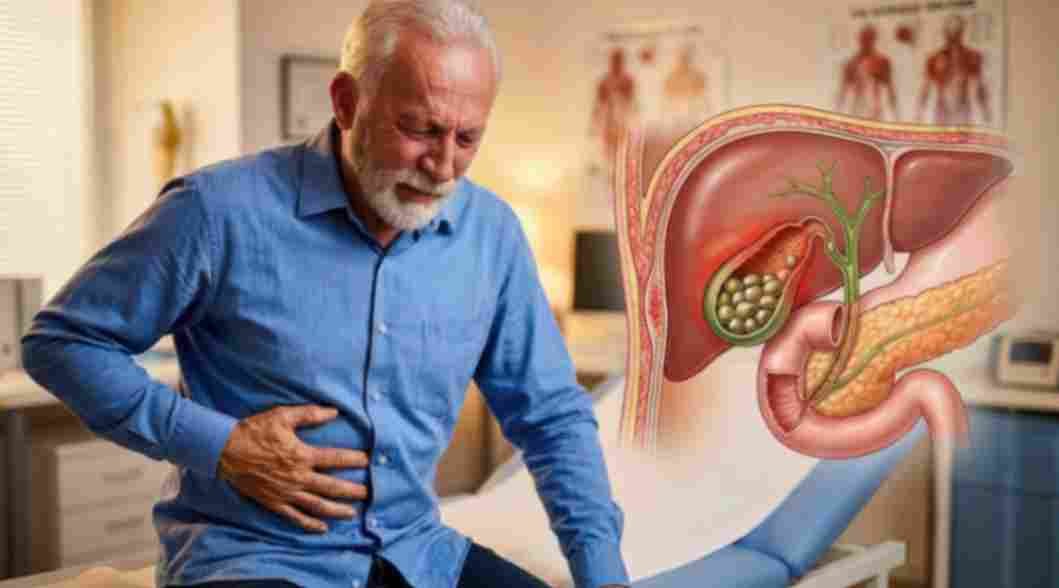
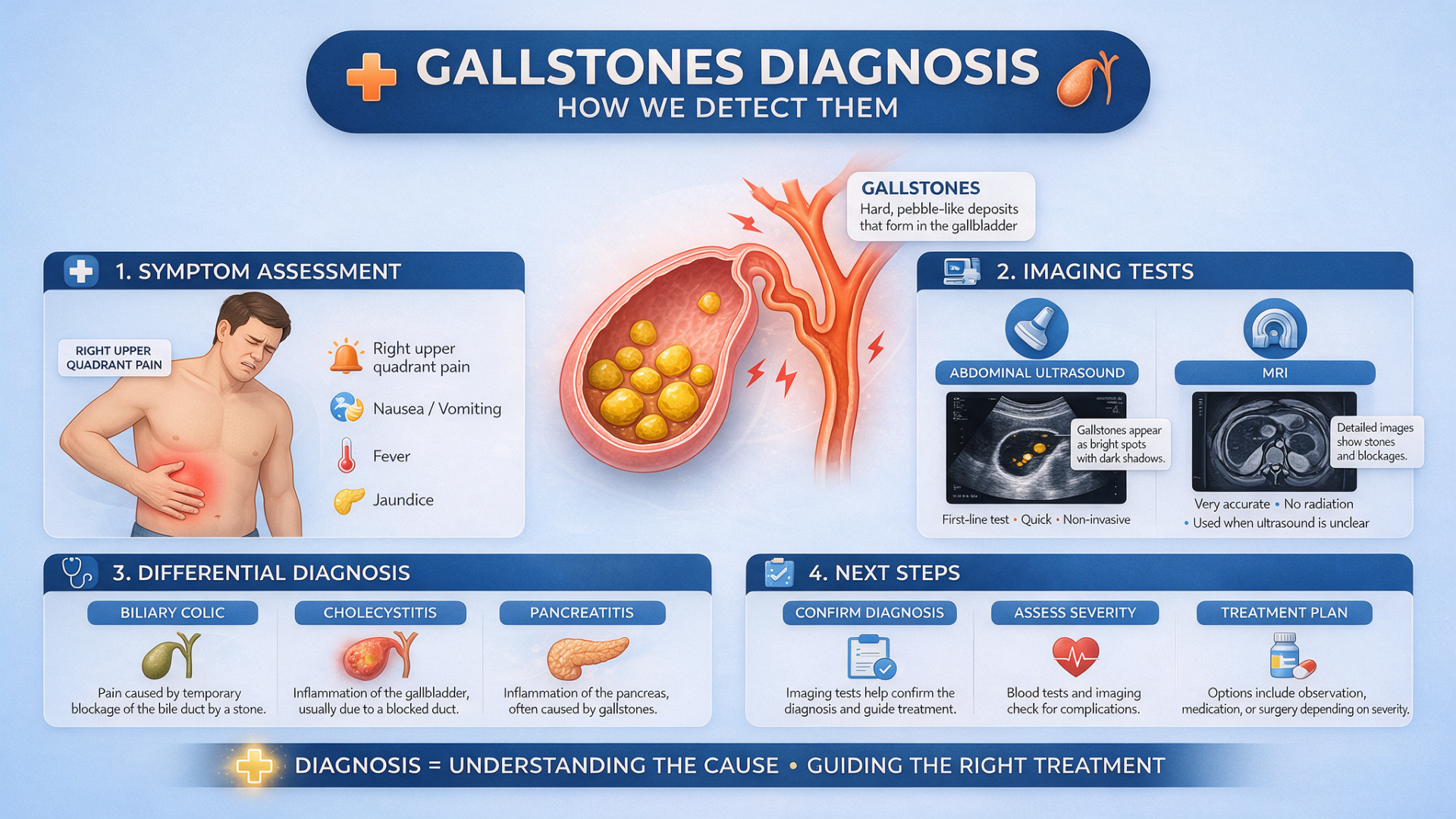
Gallstones may be discovered during an examination for another health problem or when a person develops symptoms such as upper abdominal pain, nausea, or vomiting. Accurate diagnosis helps determine whether the stones are causing symptoms and whether treatment is required.
Medical History and Physical Examination
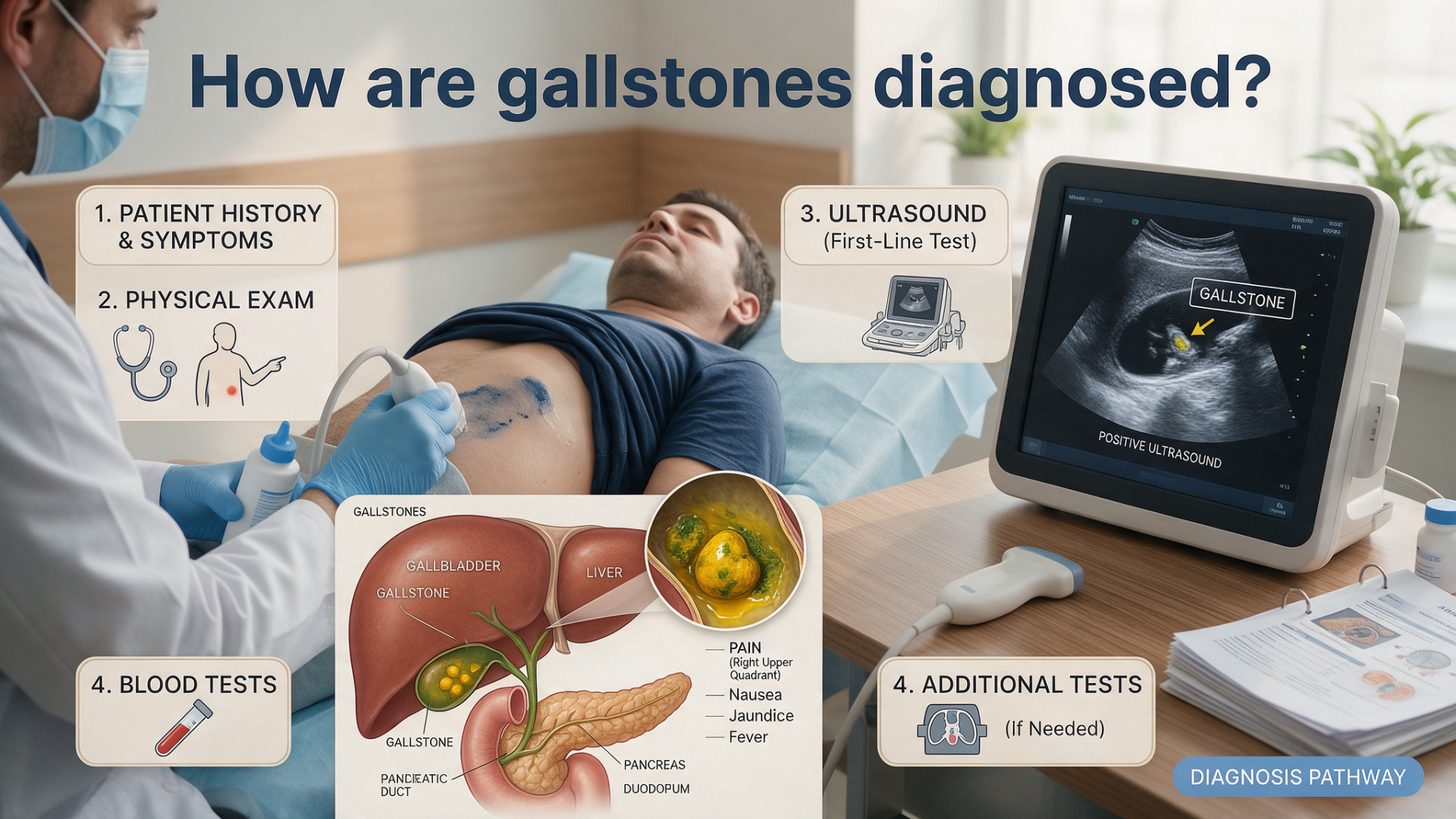
Diagnosis usually begins with a detailed discussion about symptoms, eating patterns, previous medical conditions, and family history. The doctor may ask about the location, duration, and intensity of abdominal pain. During a physical examination, tenderness in the upper-right abdomen may provide additional clues.
Abdominal Ultrasound
Ultrasound is one of the most commonly used tests for detecting gallstones. It uses sound waves to create images of the gallbladder and can identify stones, gallbladder wall thickening, or signs of inflammation. It is non-invasive and does not involve radiation.
Blood Tests
Blood tests do not directly detect gallstones but can help identify complications. Tests may assess liver function and look for signs of infection or inflammation. Abnormal liver enzymes or bilirubin levels may suggest that a stone has affected the bile ducts.
Additional Imaging Tests
If ultrasound results are unclear or a bile duct stone is suspected, the doctor may recommend additional imaging.
MRCP (Magnetic Resonance Cholangiopancreatography) uses MRI technology to provide detailed images of the bile ducts, gallbladder, and surrounding structures.
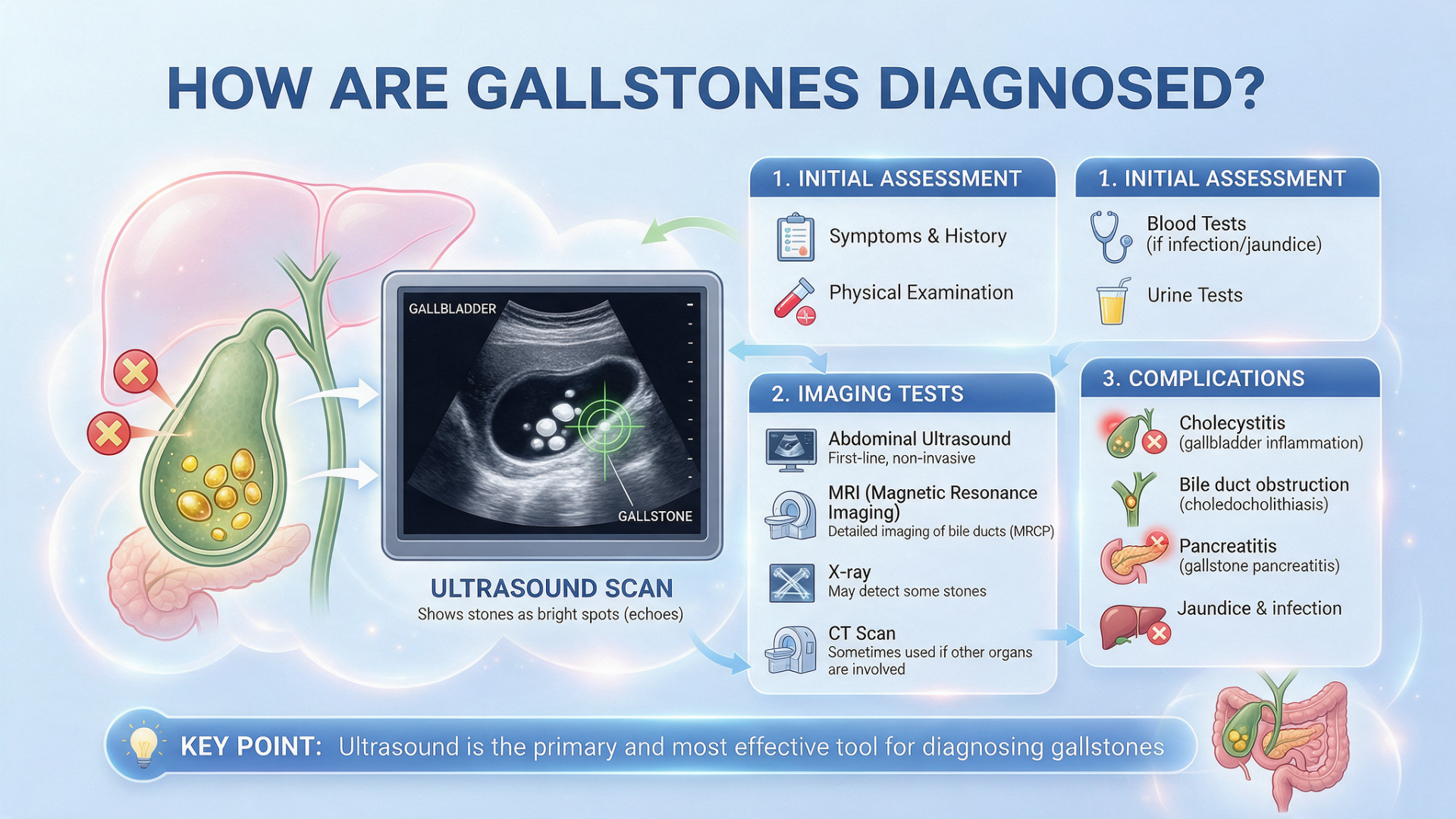
CT scans may sometimes be used to assess complications or investigate other possible causes of abdominal pain, although not all gallstones are visible on CT.
In selected situations, ERCP (Endoscopic Retrograde Cholangiopancreatography) may be performed when a stone is suspected in the common bile duct. Unlike routine imaging, ERCP can also allow the doctor to remove certain bile duct stones during the procedure.
Why Early Diagnosis Matters
Not every gallstone requires treatment. However, recurring pain or symptoms such as fever, jaundice, persistent vomiting, or severe abdominal pain require prompt medical evaluation. Proper diagnosis helps doctors determine whether monitoring, medication, or a procedure such as gallbladder removal is appropriate.