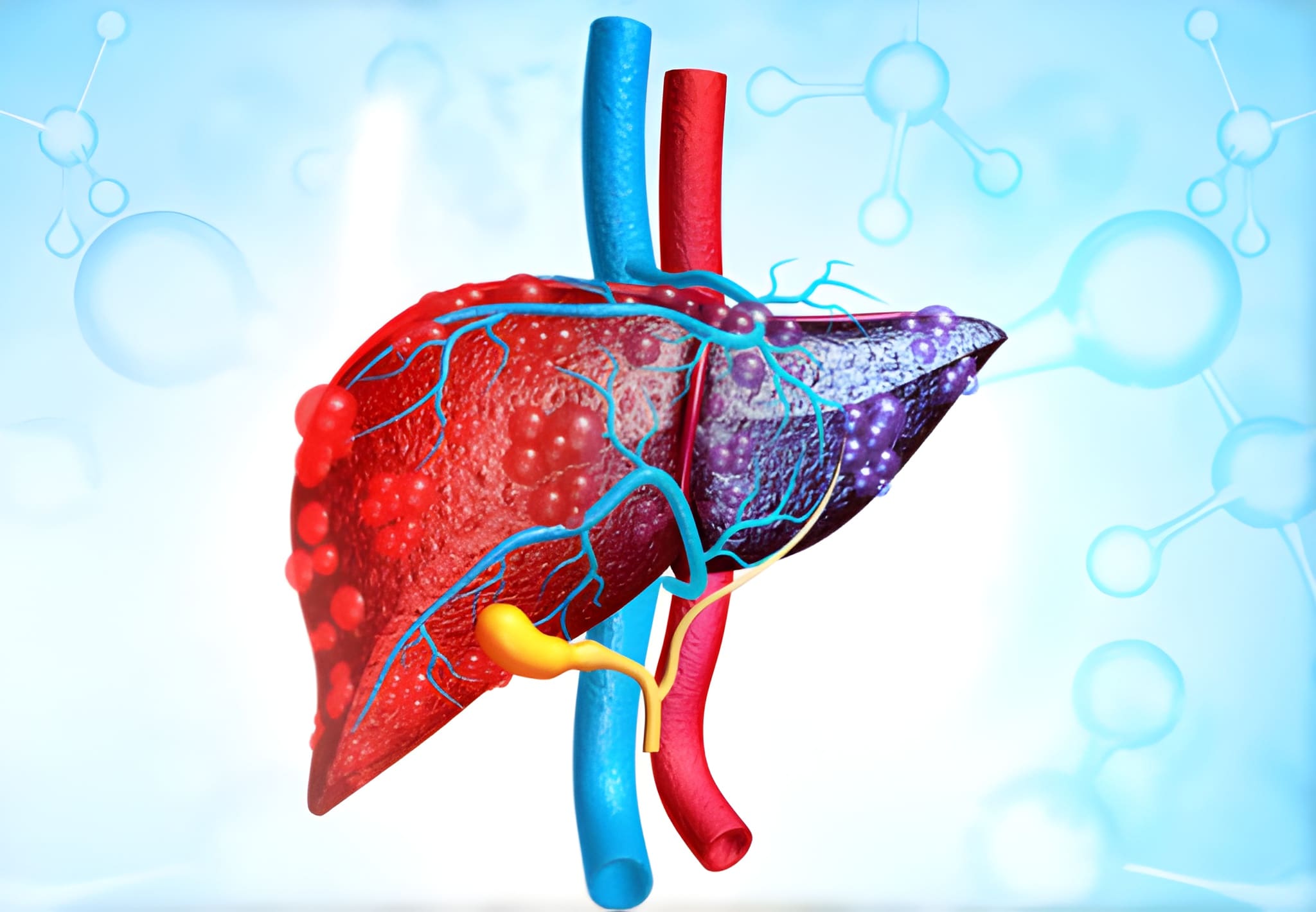
Cirrhosis is an advanced stage of liver scarring in which
healthy liver tissue is gradually replaced by permanent scar tissue. As
scarring increases, the liver may have difficulty performing important
functions such as processing nutrients, removing toxins, producing proteins,
and regulating blood clotting.
Cirrhosis can develop slowly over many years, and some
people may not experience obvious symptoms until significant liver damage has
occurred.
Symptoms may vary depending on the stage of the disease.
They can include:
● Fatigue and weakness
● Loss of appetite
● Nausea
● Unexplained weight loss
● Easy bruising or bleeding
● Itching
● Yellowing of the skin and eyes
● Swelling of the legs and feet
● Fluid accumulation in the abdomen
● Dark urine
● Pale stools
● Confusion or changes in alertness
Common causes of cirrhosis include:
● Chronic hepatitis B or hepatitis C
● Long-term alcohol-related liver damage
● Fatty liver disease
● Autoimmune liver diseases
● Certain inherited liver disorders
● Long-term bile duct disorders
● Certain medications or toxins
Advanced cirrhosis can lead to serious complications,
including:
● Ascites
● Variceal bleeding
● Hepatic encephalopathy
● Jaundice
● Liver cancer
● Kidney problems
● Liver failure
Anyone with known chronic liver disease should have regular
medical follow-up.
Seek urgent medical attention if you vomit blood, pass black
or bloody stools, develop severe confusion, experience sudden abdominal
swelling, or become unusually drowsy.
Diagnosis may involve liver function tests, blood tests,
ultrasound, FibroScan, CT or MRI scans, and occasionally a liver biopsy.
Treatment focuses on addressing the underlying cause and
preventing further liver damage. Depending on the cause, treatment may include
antiviral medicines, management of metabolic conditions, stopping alcohol,
medications for complications, nutritional support, and regular monitoring.
In advanced cases of irreversible liver failure, liver
transplantation may be considered.
Early diagnosis and appropriate treatment can help slow the
progression of liver disease and reduce complications.