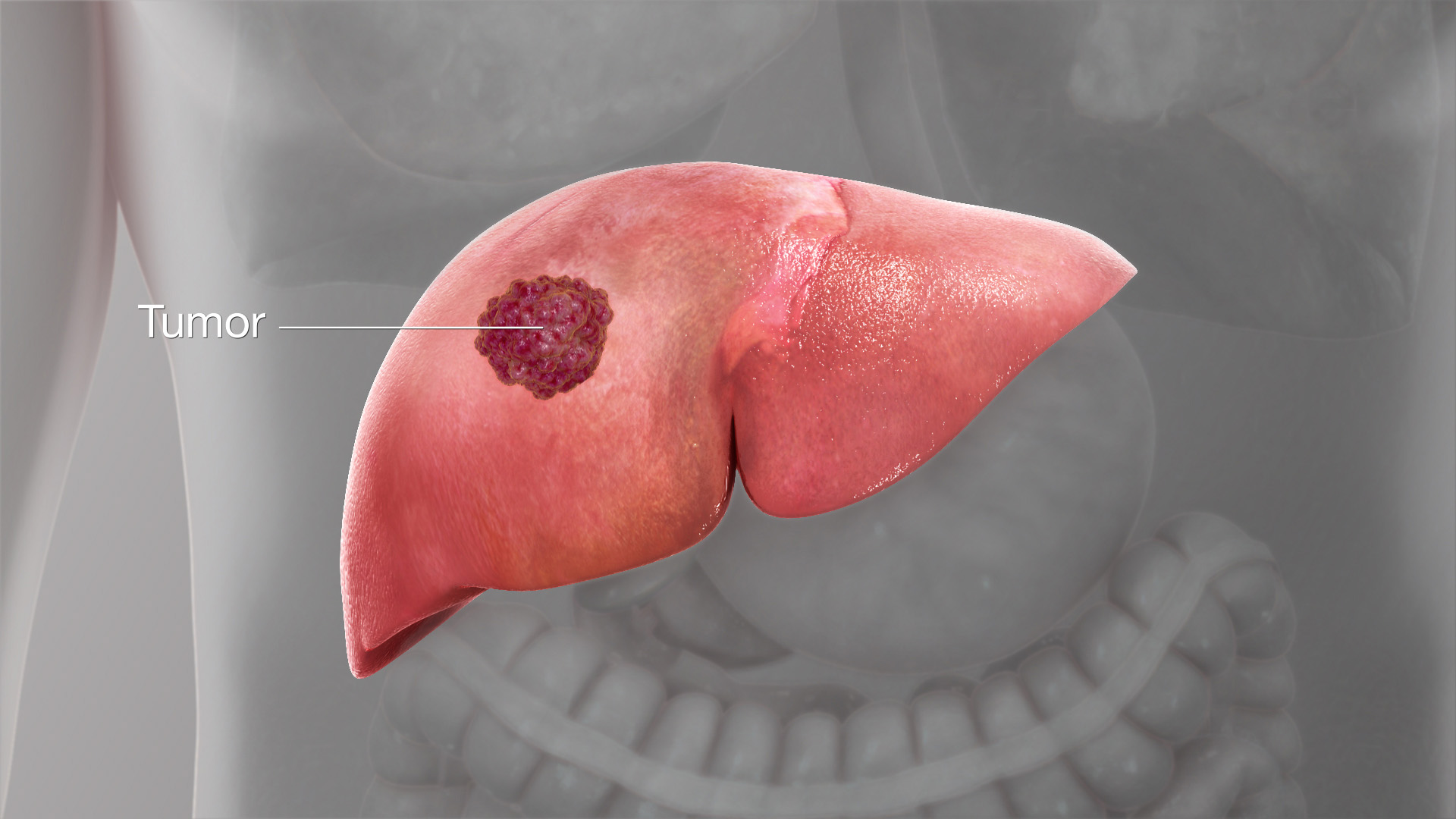
Liver tumours can be benign or cancerous. Some tumours are discovered during scans performed for unrelated reasons, while others cause symptoms such as abdominal discomfort, weight loss, or jaundice.Surgery may be an option for selected liver tumours when the tumour can be safely removed while leaving enough healthy liver tissue.
Liver tumours may include:
●
Hepatocellular
carcinoma
●
Intrahepatic
cholangiocarcinoma
●
Metastatic liver
tumours
●
Hepatic adenoma
●
Focal nodular
hyperplasia
●
Other benign or
malignant lesions
Some liver tumours cause no symptoms. Possible symptoms
include:
●
Upper abdominal
discomfort
●
Unexplained weight
loss
●
Loss of appetite
●
Abdominal swelling
●
Weakness
●
Jaundice
Surgery depends on:
●
Type of tumour
●
Tumour size
●
Number of tumours
●
Location
●
Liver function
●
Overall health
●
Involvement of blood
vessels or bile ducts
A liver resection may be performed when the tumour is
considered removable.
Imaging such as CT or MRI is usually important for planning
treatment. Blood tests and tumour markers may also be used when appropriate.
Depending on the tumour, other treatments such as ablation,
embolisation, chemotherapy, targeted therapy, or transplantation may be
considered.
The treatment should be selected after assessing the
individual patient and the nature of the tumour.