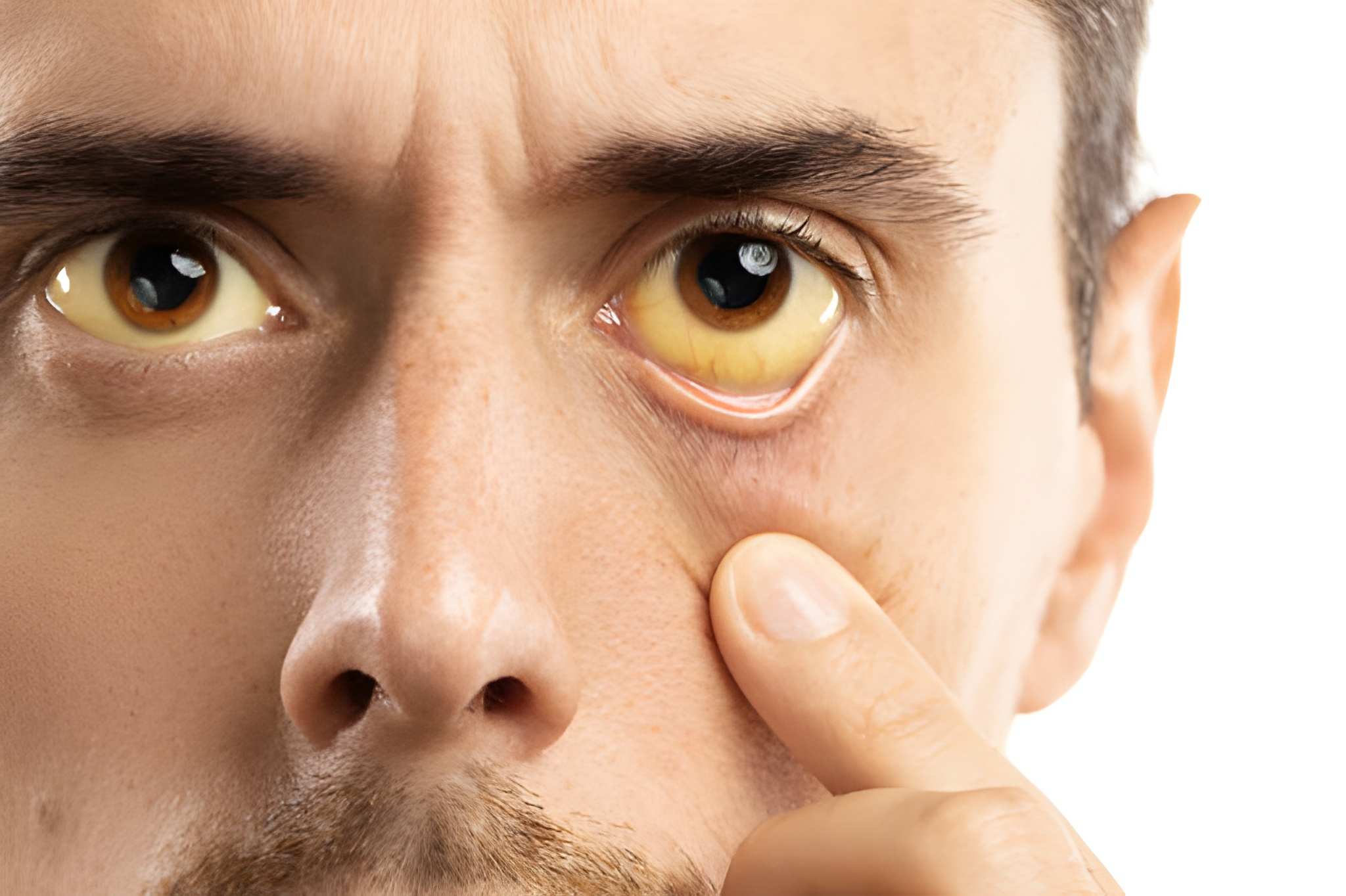
Jaundice causes the skin, whites of the eyes, and sometimes other tissues to turn yellow because of increased levels of bilirubin in the blood.Jaundice is not a disease by itself. It is a symptom that can occur due to problems involving the liver, gallbladder, bile ducts, blood cells, or pancreas.
The most noticeable symptom is yellowing of the skin or
eyes. Other symptoms may include:
● Dark urine
● Pale or clay-coloured stools
● Itching
● Abdominal pain
● Nausea or vomiting
● Fever
● Fatigue
● Loss of appetite
Jaundice can occur due to:
● Hepatitis
● Fatty liver disease
● Cirrhosis
● Gallstones
● Bile duct blockage
● Pancreatic disorders
● Certain medications
● Increased breakdown of red blood cells
New-onset jaundice should be evaluated by a doctor,
particularly in adults.
Seek urgent medical attention if jaundice occurs with severe
abdominal pain, fever, confusion, persistent vomiting, or significant weakness.
Doctors may perform blood tests to measure bilirubin and
liver enzymes. Depending on the suspected cause, ultrasound, CT, MRI/MRCP, or
other investigations may be recommended.
Treatment depends entirely on the underlying cause. For
example, a bile duct blockage may require a procedure to restore bile flow,
while hepatitis or another liver condition may require specific medical
treatment.
Because jaundice can have many causes, identifying the
underlying problem is an important part of treatment.