Gallbladder surgery, most commonly called cholecystectomy, involves removing the gallbladder. It is one of the common surgical procedures used to treat symptomatic gallstones and other gallbladder problems.The gallbladder stores bile produced by the liver. Removing it does not stop the body from producing bile, as the liver continues to make it.
Surgery may be recommended for:
●
Repeated attacks of
gallstone pain
●
Acute or chronic
cholecystitis
●
Complicated gallstones
●
Gallbladder polyps in
selected cases
●
Gallbladder cancer
●
Certain gallbladder
complications
Gallbladder disease can cause:
●
Pain in the
upper-right abdomen
●
Pain after meals
●
Nausea and vomiting
●
Indigestion
●
Fever
●
Jaundice in cases
involving bile duct obstruction
Severe abdominal pain accompanied by fever or jaundice
requires prompt medical evaluation.
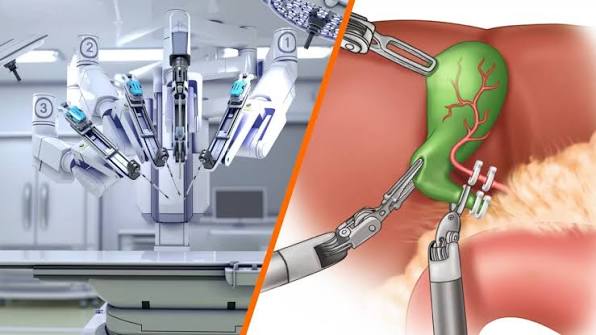
For many patients, the gallbladder can be removed using
laparoscopic surgery. Small incisions are made in the abdomen and specialised
instruments are used to remove the gallbladder.
Compared with traditional open surgery, laparoscopic surgery
generally involves smaller incisions and may allow an earlier return to normal
activities.
Recovery depends on the patient's condition and the type of
procedure performed. Your surgeon will advise you about diet, activity, wound
care, and follow-up after surgery.