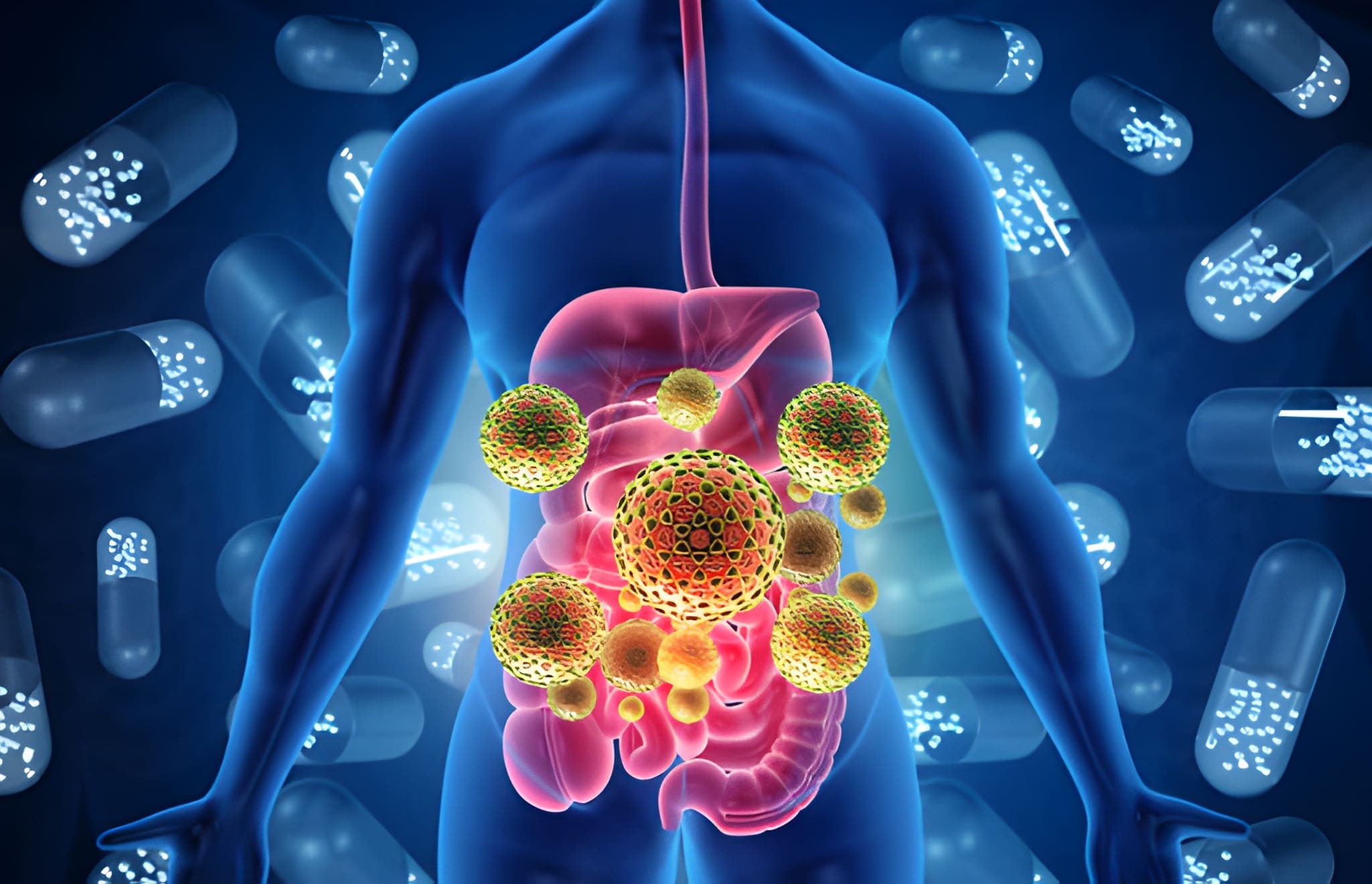
The intestines play an important role in digestion, nutrient absorption, and elimination of waste. A wide range of conditions can affect the small and large intestines, from temporary infections to chronic inflammatory and structural disorders.
Common intestinal disorders include irritable bowel syndrome
(IBS), inflammatory bowel disease, intestinal infections, coeliac disease,
diverticular disease, intestinal obstruction, polyps, and certain intestinal
cancers.
Symptoms vary depending on the condition but may include:
● Abdominal pain or cramps
● Bloating
● Diarrhoea
● Constipation
● Changes in bowel habits
● Blood or mucus in stools
● Excessive gas
● Nausea or vomiting
● Unexplained weight loss
● Loss of appetite
● Persistent fatigue
Intestinal problems may be caused by:
● Infections
● Dietary factors
● Food intolerances
● Changes in gut function
● Autoimmune or inflammatory conditions
● Genetic factors
● Certain medications
● Structural abnormalities
● Polyps or tumours
Occasional digestive discomfort may not indicate a serious
problem. However, persistent or recurring symptoms should be evaluated.
Consult a doctor if you experience unexplained weight loss,
blood in the stool, persistent diarrhoea or constipation, ongoing abdominal
pain, repeated vomiting, or a significant change in bowel habits.
Depending on the symptoms, evaluation may include blood
tests, stool tests, ultrasound, CT or MRI scans, colonoscopy, endoscopy, or
other specialised investigations.
Treatment depends on the specific intestinal disorder. It
may include dietary changes, medicines, antibiotics when appropriate,
anti-inflammatory treatment, nutritional support, endoscopic procedures, or
surgery.
The right treatment begins with identifying the underlying
cause rather than simply treating digestive symptoms.