Gallbladder cancer is a relatively uncommon cancer that
develops in the gallbladder. It may sometimes be discovered unexpectedly after
gallbladder removal for presumed gallstone disease, while in other cases it is
diagnosed before surgery.
Surgery is the main treatment that can potentially remove
localised gallbladder cancer, but the extent of surgery depends on the stage
and location of the disease.
Early gallbladder cancer may not cause specific symptoms.
Possible symptoms include:
●
Abdominal pain
●
Nausea or vomiting
●
Loss of appetite
●
Unexplained weight loss
●
Jaundice
●
Fever
●
Abdominal swelling
These symptoms can occur with several non-cancerous
gallbladder conditions as well.
Surgery may be considered when the cancer is localised and
can be removed safely.
Depending on the extent of disease, surgery may involve
removal of the gallbladder along with a portion of the liver and regional lymph
nodes.
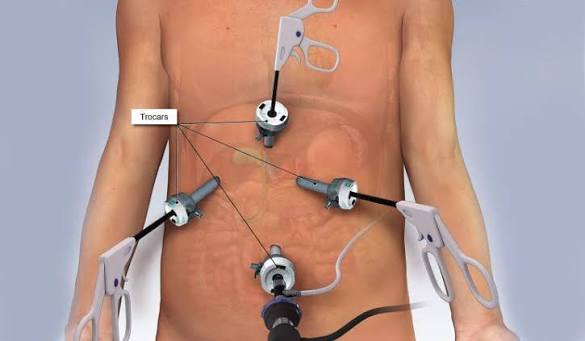
In carefully selected cases, laparoscopic techniques may be
used as part of surgical treatment. However, the suitability of a laparoscopic
approach depends on the stage, location, and extent of the cancer.
For suspected or confirmed gallbladder cancer, the surgical
plan should prioritise complete and safe cancer removal rather than the
surgical approach alone.
Ultrasound, CT, MRI/MRCP, blood tests, and other
investigations may be used to evaluate gallbladder cancer.
The treatment plan is based on the cancer stage, involvement
of nearby structures, and the patient's overall health.