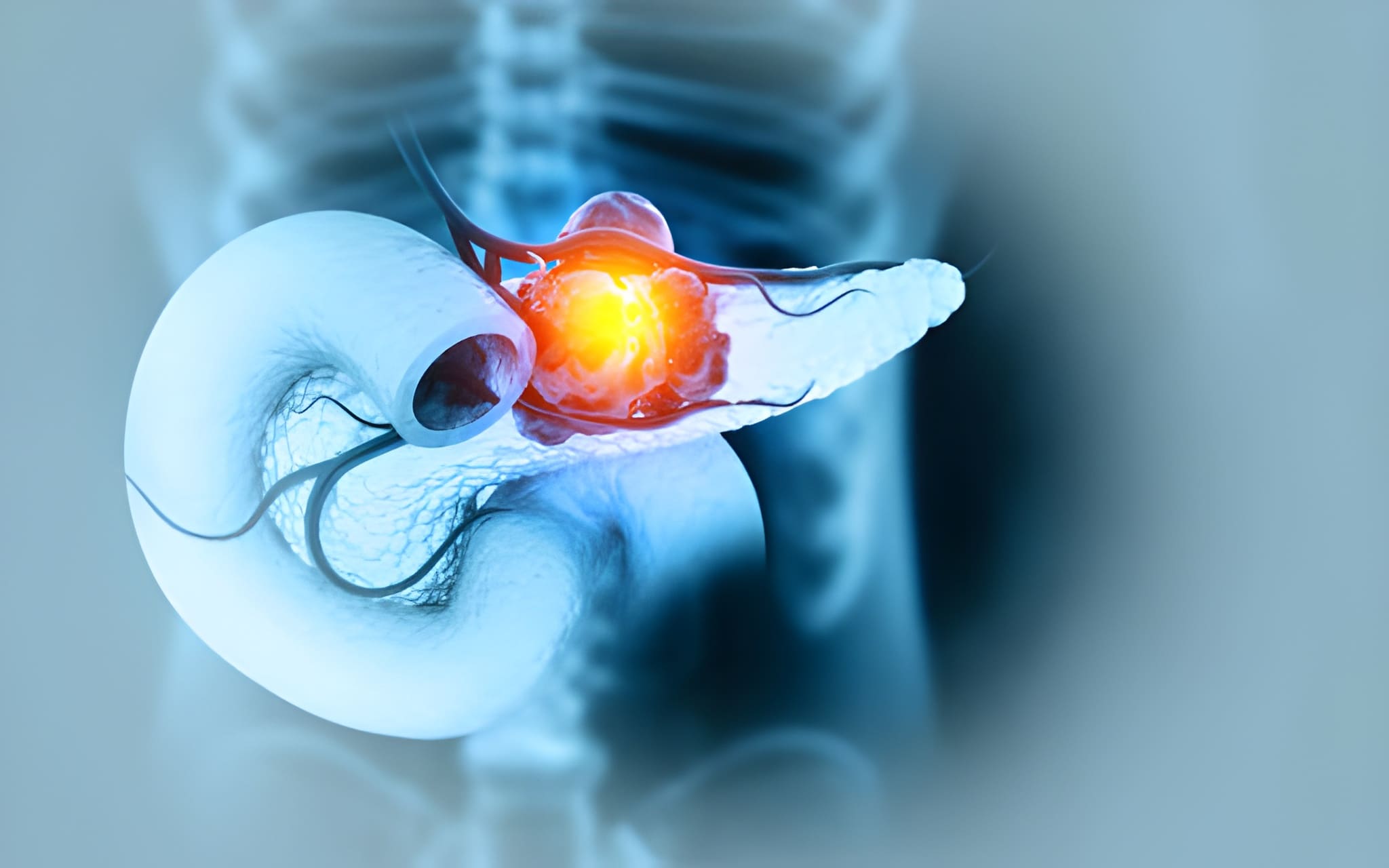
Pancreatitis is inflammation of the pancreas, an organ located behind the stomach that helps with digestion and blood sugar regulation.It can occur suddenly, known as acute pancreatitis, or develop repeatedly and cause long-term damage, known as chronic pancreatitis.
● Severe upper abdominal pain
● Pain spreading to the back
● Nausea and vomiting
● Abdominal tenderness
● Fever
● Rapid heartbeat
● Bloating
Chronic pancreatitis may also cause weight loss, diarrhoea,
and difficulty digesting food.
Common causes include:
● Gallstones
● Heavy alcohol consumption
● Certain medications
● High levels of triglycerides
● Certain inherited conditions
● Abdominal injury
● Some infections
● Structural problems affecting the pancreatic or bile ducts
Severe or persistent upper abdominal pain, particularly when
accompanied by vomiting or fever, requires prompt medical assessment.
Pancreatitis can become serious and may require hospital
treatment.
Diagnosis may involve blood tests, including pancreatic
enzyme tests, along with ultrasound, CT scans, MRI or other investigations.
Treatment depends on the severity and cause. Acute
pancreatitis may require hospitalisation, intravenous fluids, pain control,
nutritional support, and treatment of the underlying cause.
Chronic pancreatitis may require dietary management, enzyme
replacement therapy, pain management, and treatment of complications.
Avoiding alcohol and addressing the underlying cause can
help reduce the risk of recurrent pancreatitis.