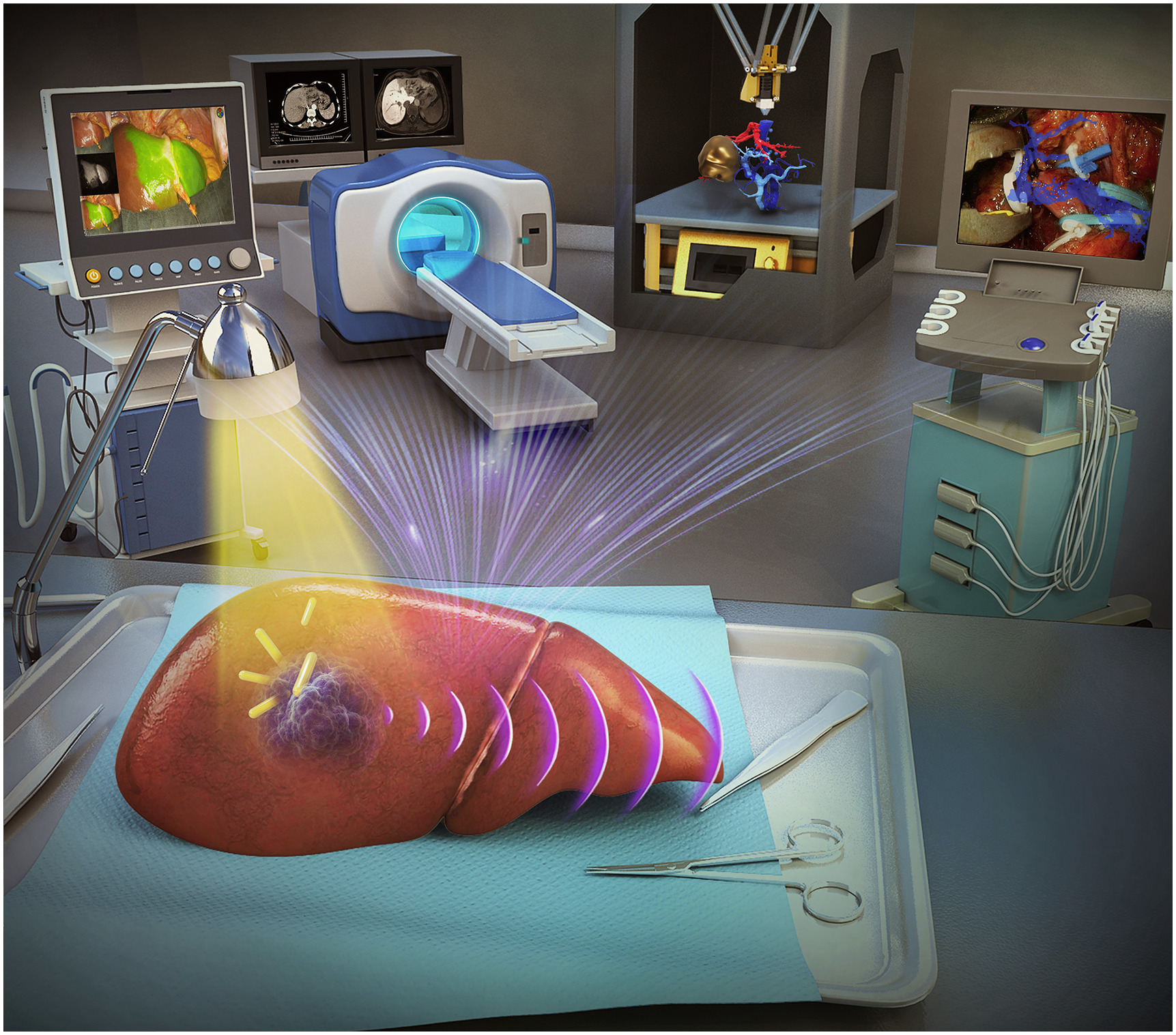
Liver surgery involves removing or treating a diseased portion of the liver while preserving enough healthy liver tissue to maintain normal liver function.Surgery may be recommended for selected liver tumours, cysts, injuries, and other liver conditions.
Liver surgery may be considered for:
●
Primary liver cancer
●
Selected metastatic
liver tumours
●
Benign liver tumours
●
Certain liver cysts
●
Selected liver
injuries
●
Other localised liver
conditions
A liver resection involves removing the diseased portion of
the liver. The amount removed depends on the size, location, number of lesions,
and condition of the remaining liver.
Because the liver has a strong capacity for regeneration,
selected patients can undergo partial liver removal while retaining sufficient
liver function.
Surgery depends on factors such as:
●
Type of tumour or
disease
●
Size and location
●
Number of lesions
●
Liver function
●
Overall health
●
Whether major blood
vessels or bile ducts are involved
Not every liver tumour can or should be treated with
surgery. Other treatments may be considered when surgery is not suitable.
Imaging and liver function tests are important before
surgery. After the operation, patients are monitored for liver function,
infection, bleeding, bile leakage, and other possible complications.
Follow-up depends on the underlying condition and may
include periodic blood tests and scans.