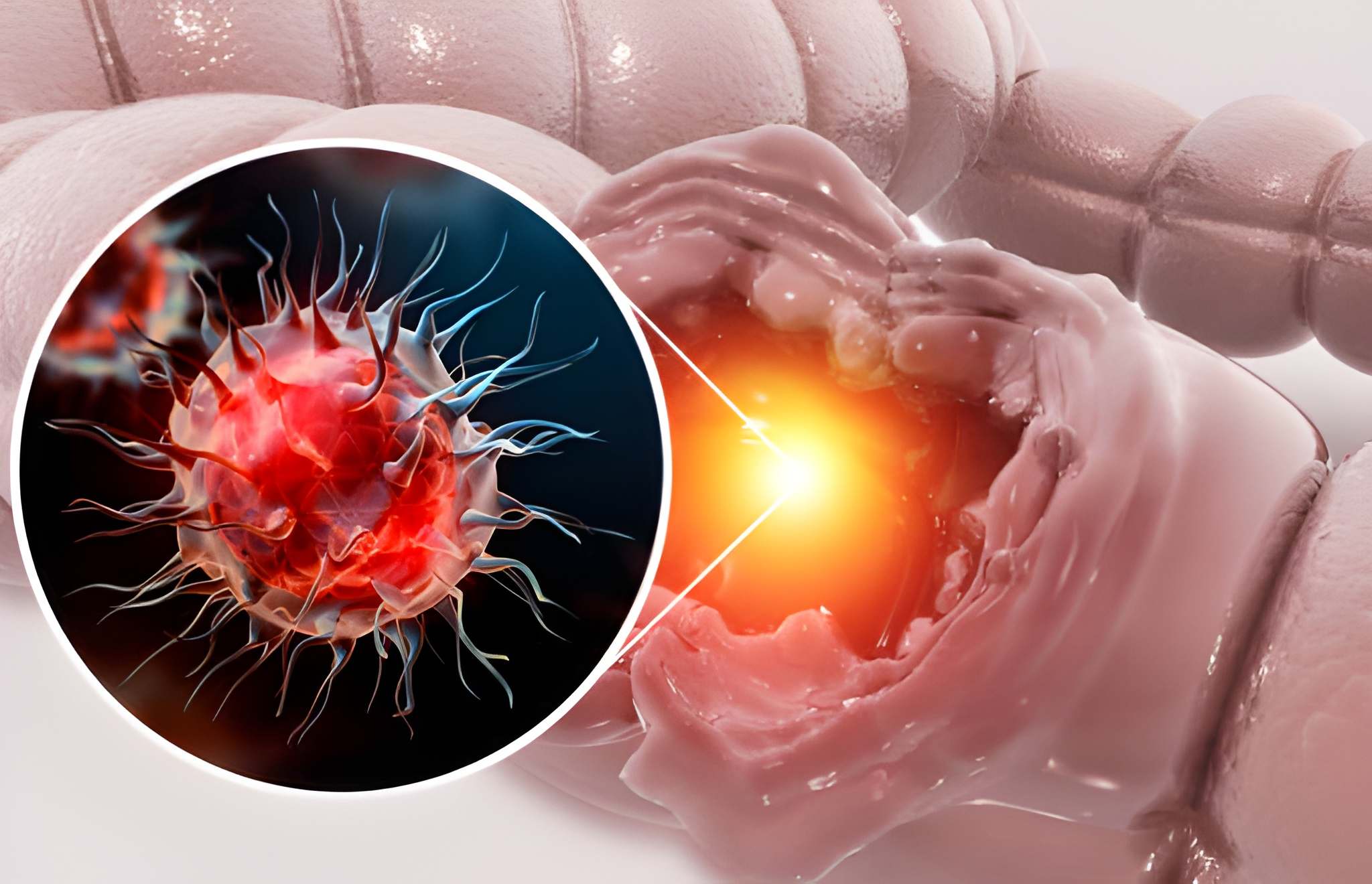
Early gastrointestinal cancers may cause few or no symptoms.
Possible warning signs include:
● Unexplained weight loss
● Persistent abdominal pain or discomfort
● Difficulty swallowing
● Persistent indigestion or heartburn
● Changes in bowel habits
● Blood in stools
● Black stools
● Vomiting blood
● Persistent nausea or vomiting
● Loss of appetite
● Yellowing of the skin or eyes
● Unexplained anaemia
● Persistent fatigue
These symptoms do not necessarily mean that a person has
cancer. However, persistent or unexplained symptoms should be investigated.
Risk factors vary according to the type of GI cancer but may
include:
● Increasing age
● Family history of certain cancers
● Smoking or tobacco use
● Excessive alcohol consumption
● Obesity
● Certain chronic infections
● Long-standing inflammatory bowel disease
● Chronic liver disease
● Certain inherited genetic conditions
● Diet and lifestyle factors
You should consult a doctor if you have persistent digestive
symptoms, unexplained weight loss, blood in your stool, difficulty swallowing,
recurrent vomiting, jaundice, or a significant and unexplained change in bowel
habits.
People with a strong family history or known risk factors
may also benefit from discussing appropriate screening with their doctor.
Depending on the suspected cancer, evaluation may involve
blood tests, endoscopy, colonoscopy, ultrasound, CT, MRI, PET scans, or other
imaging tests.
A biopsy is often required to confirm a cancer diagnosis.
Treatment depends on the type and stage of cancer and the
patient's overall health. Options may include:
● Surgery
● Chemotherapy
● Radiation therapy
● Targeted therapy
● Immunotherapy
● Endoscopic treatment
● A combination of treatments
Early detection can provide more treatment options and may
improve outcomes. Regular screening and timely evaluation of warning symptoms
are important parts of GI cancer care.