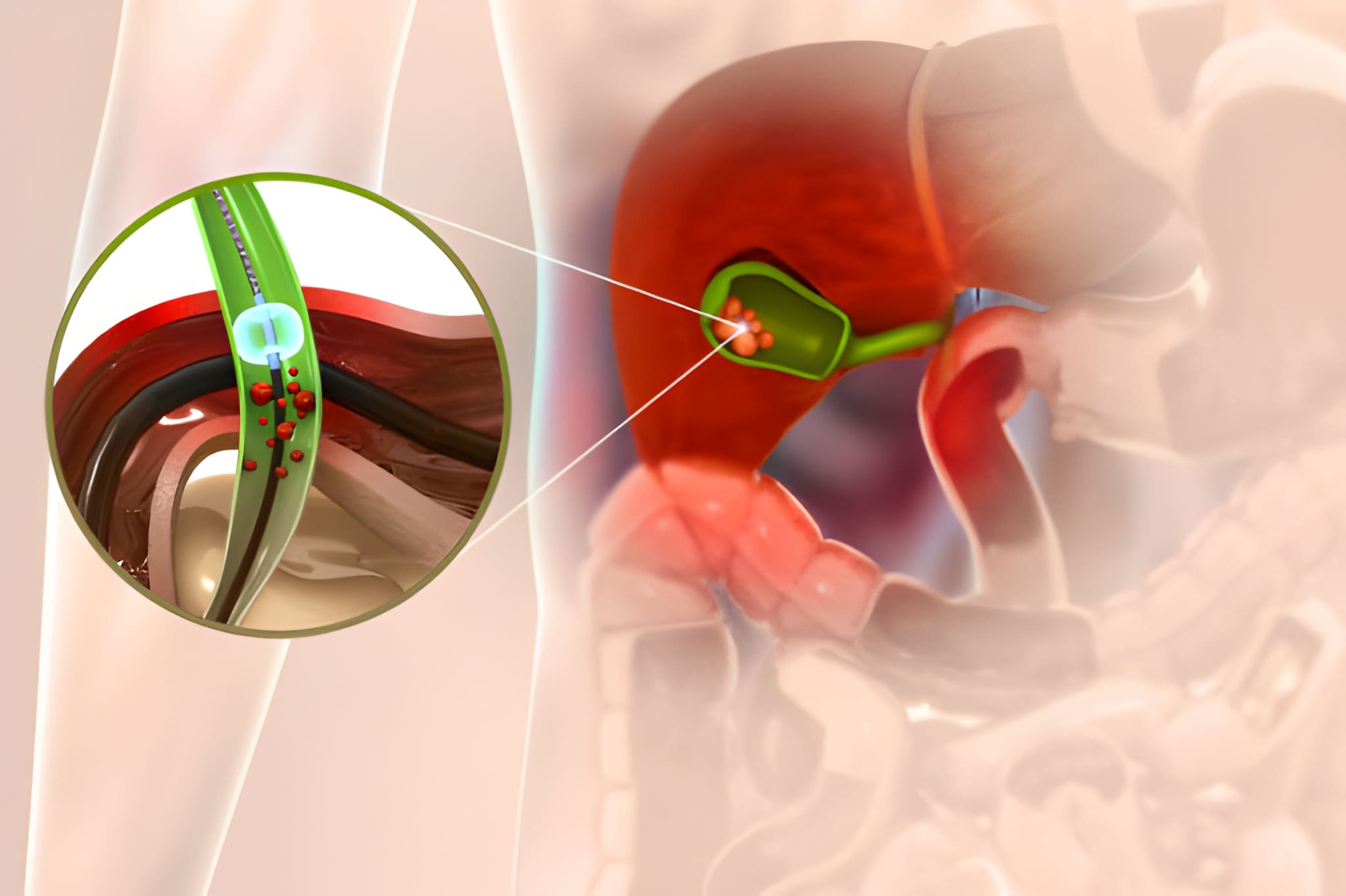
Gallstones are hardened deposits that form inside the gallbladder. They may be as small as grains of sand or as large as a golf ball. Some people have gallstones without experiencing any symptoms, while others develop severe abdominal pain when a stone blocks the flow of bile.
Gallstones may cause:
● Sudden pain in the upper-right or upper-middle abdomen
● Pain after eating, particularly after fatty meals
● Pain that may spread to the back or right shoulder
● Nausea and vomiting
● Bloating or indigestion
Pain caused by gallstones may last from several minutes to a
few hours.
Gallstones can develop when there is an imbalance in the
substances that make up bile. Risk factors include:
● Obesity
● Rapid weight loss
● A diet high in unhealthy fats
● Certain metabolic conditions
● Increasing age
● Family history
● Pregnancy
● Certain medical conditions
Consult a doctor if you experience repeated episodes of
upper abdominal pain, especially after meals.
Seek urgent care if abdominal pain is severe or persistent,
or if it is accompanied by fever, chills, jaundice, or repeated vomiting. These
symptoms may indicate an infection or blockage.
Gallstones are commonly diagnosed using an abdominal
ultrasound. Blood tests and other imaging investigations may be recommended
when complications are suspected.
Gallstones that do not cause symptoms may not always require
treatment. Symptomatic or complicated gallstones may require treatment, most
commonly removal of the gallbladder through laparoscopic surgery.
Your doctor will determine the appropriate treatment based
on your symptoms, test results, and overall health.