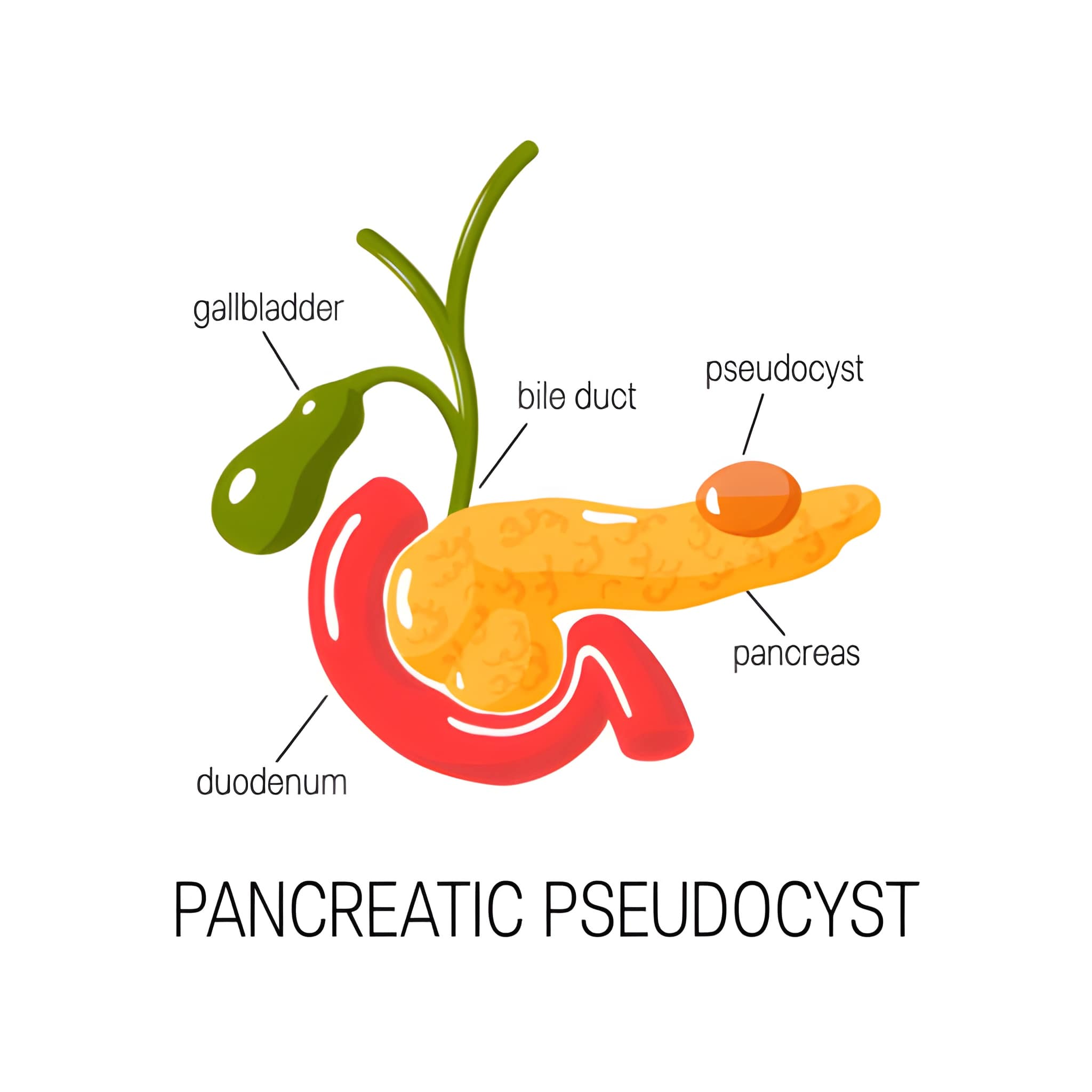
Pancreatic cysts are fluid-filled sacs that develop in or
around the pancreas. Many pancreatic cysts are discovered incidentally during
scans performed for another health problem and may never cause symptoms.
However, some cysts can become infected, cause
complications, or have the potential to develop into cancer. This is why
certain pancreatic cysts require regular monitoring or further evaluation.
Many pancreatic cysts cause no symptoms. When symptoms
occur, they may include:
● Upper abdominal pain
● Back pain
● Nausea or vomiting
● Abdominal fullness or bloating
● Unexplained weight loss
● Jaundice
● Changes in digestion
Pancreatic cysts can develop for different reasons. Some are
associated with previous pancreatitis, while others arise from changes within
the pancreatic ducts or tissue.
Certain cystic lesions can have precancerous or cancerous
potential.
If a pancreatic cyst is discovered on an imaging scan, it is
important to discuss the finding with a gastroenterologist or pancreatic
specialist.
Seek medical attention if you develop persistent abdominal
pain, jaundice, vomiting, unexplained weight loss, or other new symptoms.
Doctors may use CT scans, MRI/MRCP, endoscopic ultrasound,
blood tests, and, in selected cases, analysis of cyst fluid to determine the
type and risk of a pancreatic cyst.
Not every pancreatic cyst requires surgery. Some can be
monitored through periodic imaging.
Depending on its type, size, appearance, symptoms, and
potential cancer risk, a cyst may require continued surveillance, endoscopic
evaluation, or surgical removal.
Regular follow-up is important when monitoring is recommended.