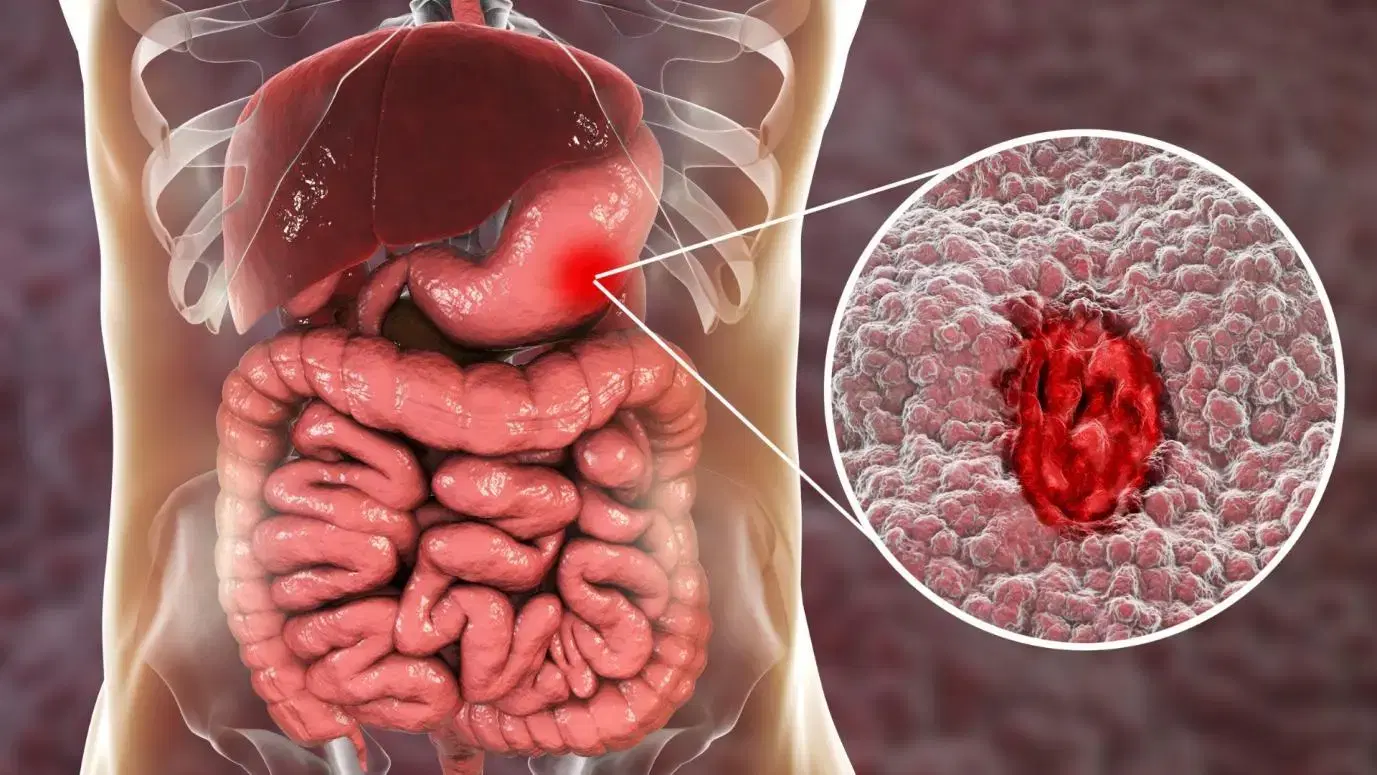
GI cancer surgery involves removing cancerous tissue from
the digestive system. Depending on where the cancer develops, surgery may
involve the oesophagus, stomach, small intestine, colon, rectum, liver,
pancreas, gallbladder, or bile ducts.
Surgery may be performed to remove the cancer completely,
relieve an obstruction or bleeding, or manage complications.
Surgery may form part of treatment for:
●
Oesophageal cancer
●
Stomach cancer
●
Small intestinal
cancer
●
Colon cancer
●
Rectal cancer
●
Liver cancer
●
Pancreatic cancer
●
Gallbladder cancer
●
Bile duct cancer
Before recommending surgery, the cancer type, stage,
location, size, and involvement of nearby organs or blood vessels are assessed.
CT scans, MRI, PET scans, endoscopy, colonoscopy, and biopsy
may be used depending on the cancer.
Surgery may be combined with chemotherapy, radiation
therapy, targeted therapy, immunotherapy, or other treatments.
The treatment plan depends on the type and stage of cancer.
Recovery depends on the organ operated on and the extent of
surgery. Patients may need nutritional support, gradual dietary changes, wound
care, and regular follow-up.
Ongoing surveillance is important to monitor recovery and
check for any recurrence.