Fatty liver disease occurs when excess fat builds up in the liver. A small amount of fat in the liver can be normal, but excessive fat accumulation can cause inflammation and, over time, damage healthy liver tissue.
Cirrhosis is an advanced stage of liver scarring in which healthy liver tissue is gradually replaced by permanent scar tissue. As scarring increases, the liver may have difficulty performing important functions such as processing nutrients, removi...
Liver failure occurs when the liver becomes severely damaged and can no longer perform essential functions adequately. The liver plays a vital role in removing harmful substances from the blood, producing important proteins, processing nutrients, ...
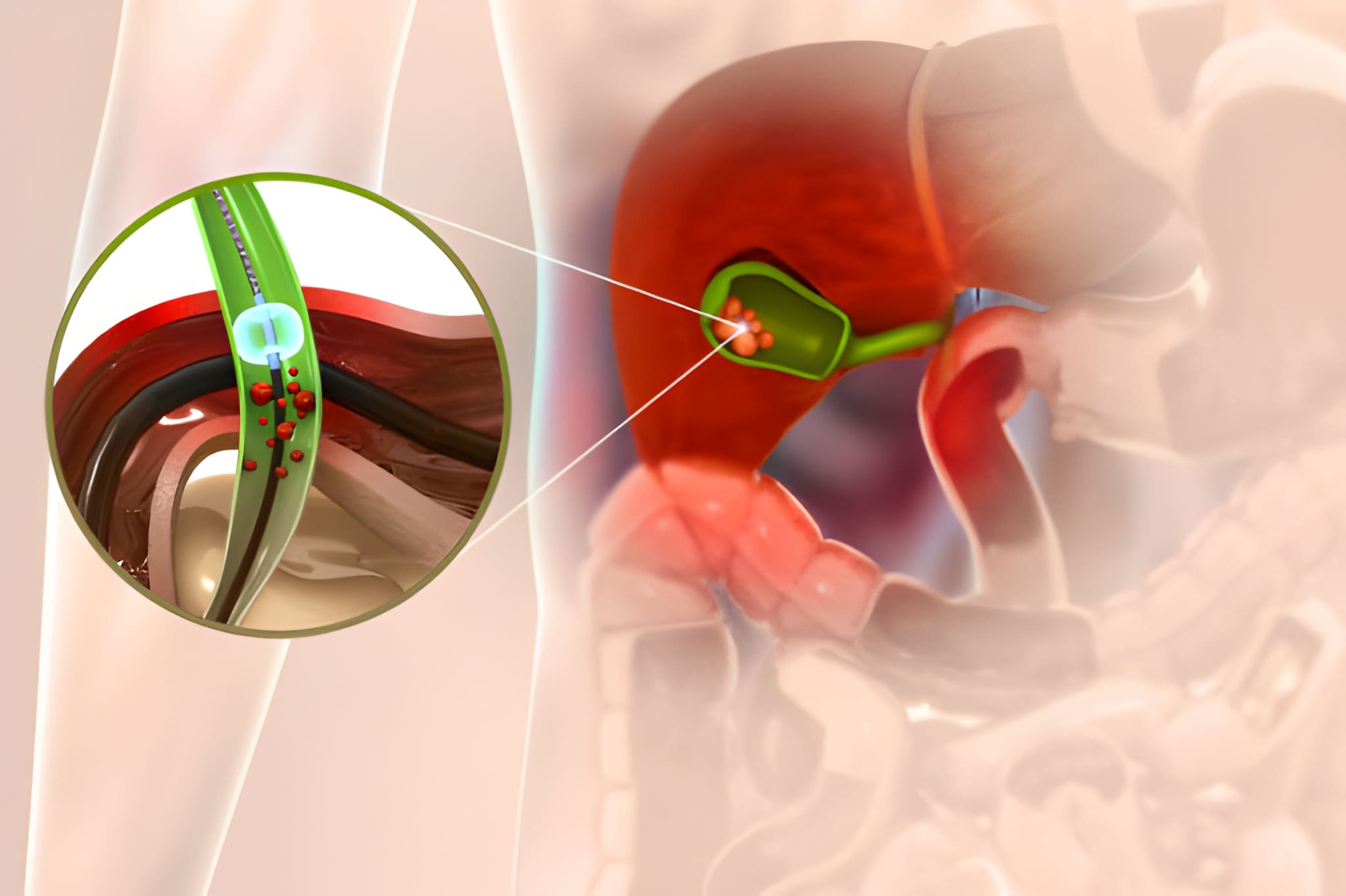
Gallstones are hardened deposits that form inside the gallbladder. They may be as small as grains of sand or as large as a golf ball. Some people have gallstones without experiencing any symptoms, while others develop severe abdominal pain when a ...
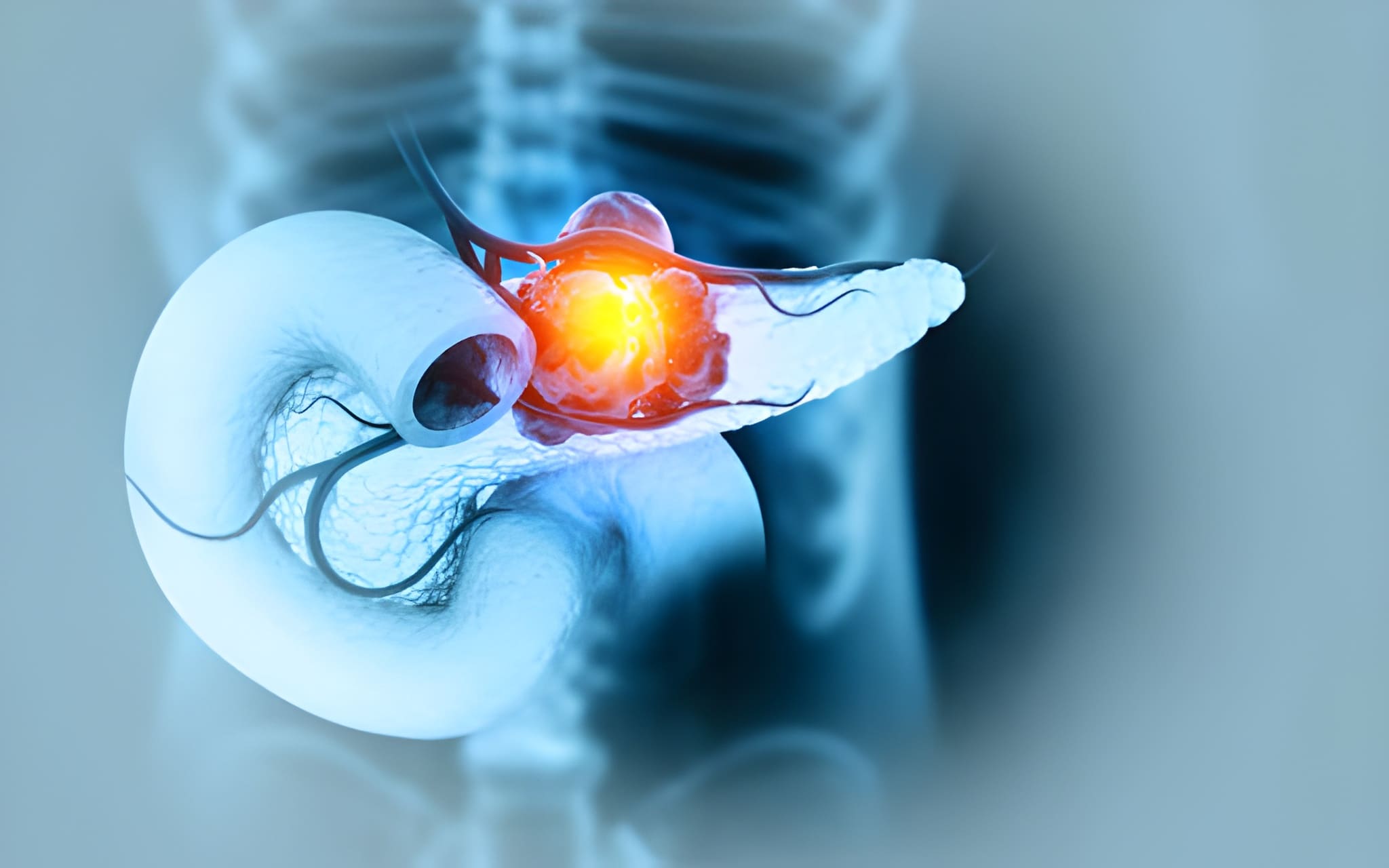
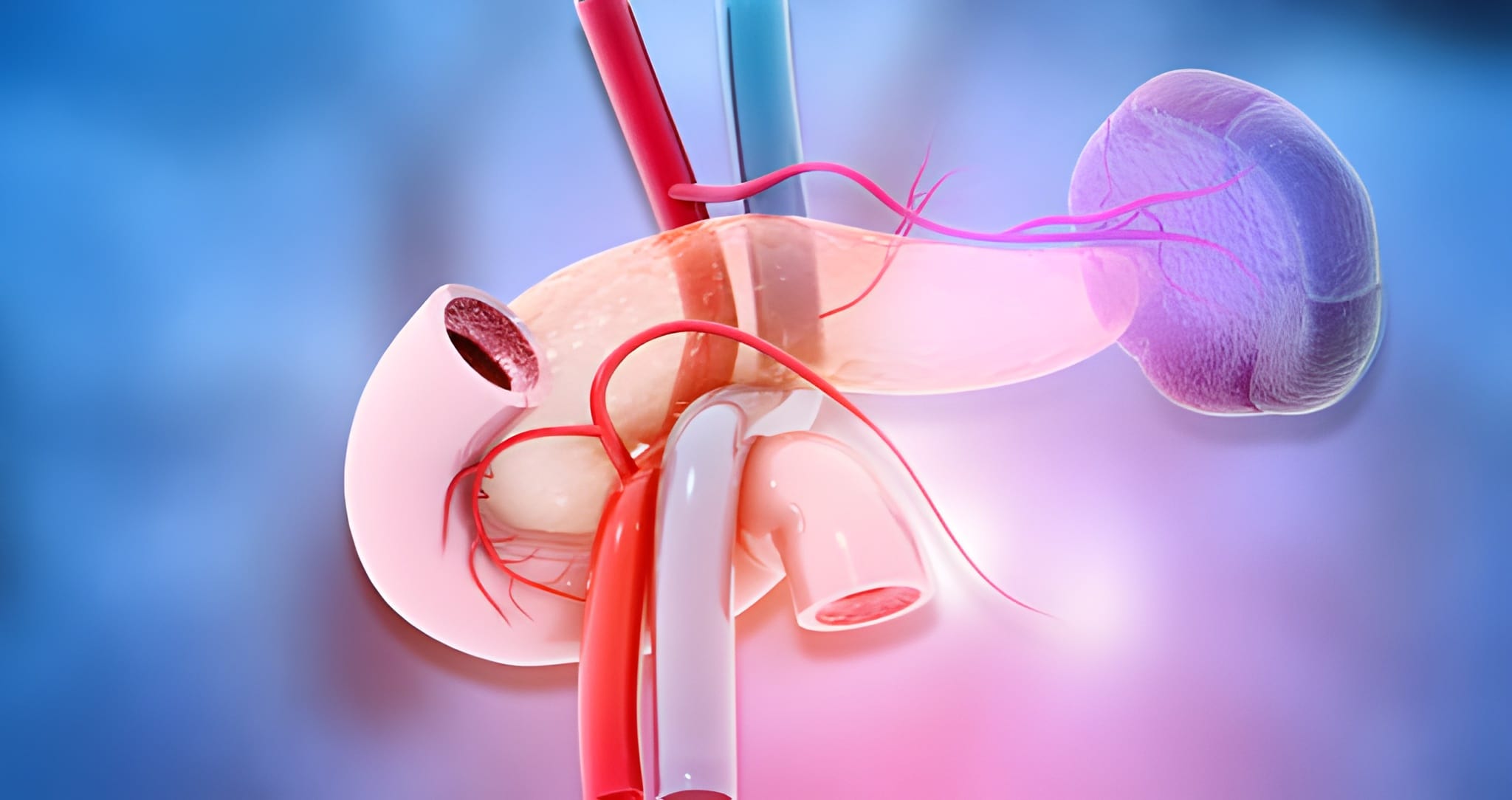
Pancreatitis is inflammation of the pancreas, an organ located behind the stomach that helps with digestion and blood sugar regulation.It can occur suddenly, known as acute pancreatitis, or develop repeatedly and cause long-term damage, known as c...
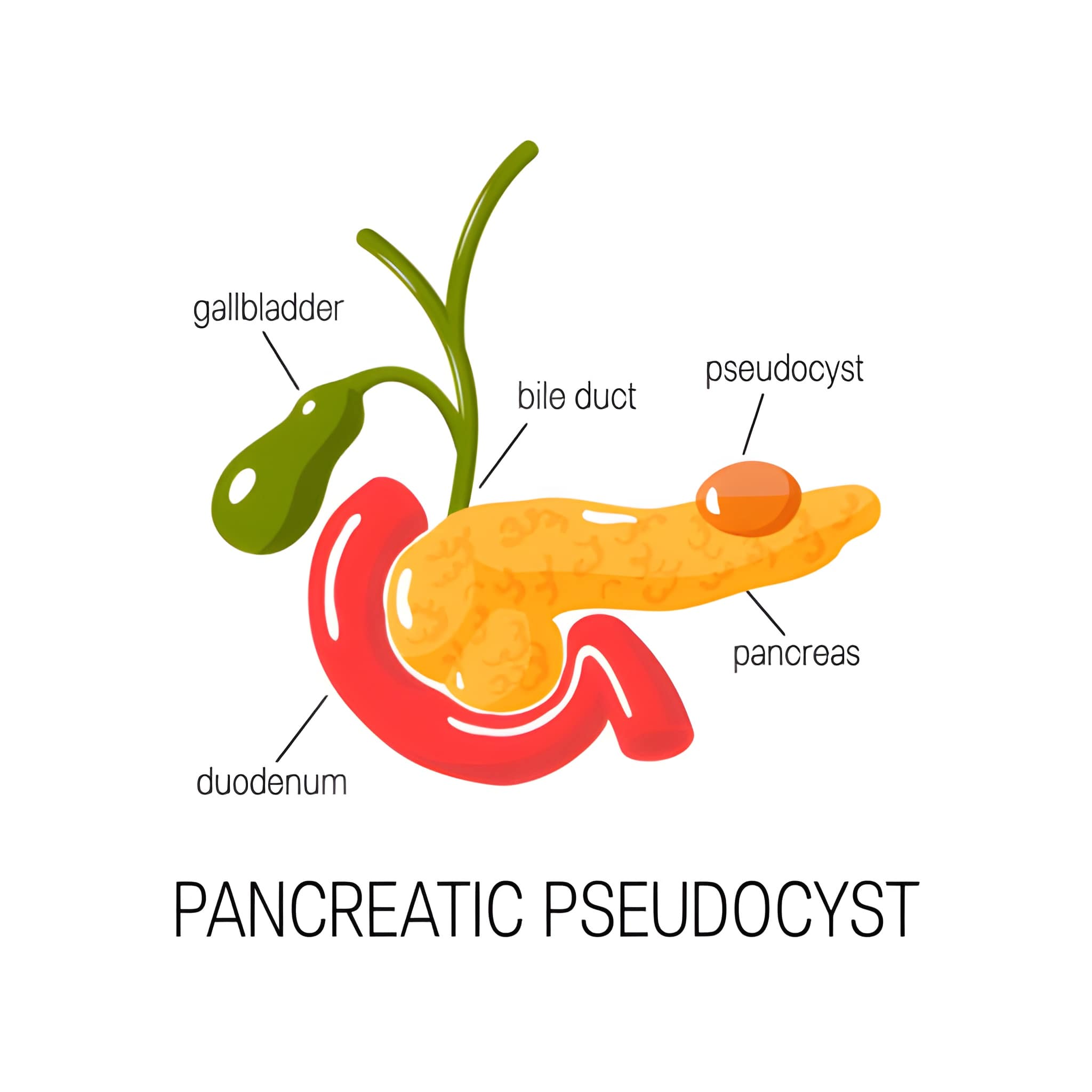
Pancreatic cysts are fluid-filled sacs that develop in or around the pancreas. Many pancreatic cysts are discovered incidentally during scans performed for another health problem and may never cause symptoms. However, some cysts can become infect...
Jaundice causes the skin, whites of the eyes, and sometimes other tissues to turn yellow because of increased levels of bilirubin in the blood.Jaundice is not a disease by itself. It is a symptom that can occur due to problems involving the liver,...
The bile ducts are a network of small tubes that carry bile from the liver and gallbladder into the intestine. Bile helps the body digest fats.Problems affecting these ducts can interfere with bile flow and may cause pain, jaundice, infection, or ...
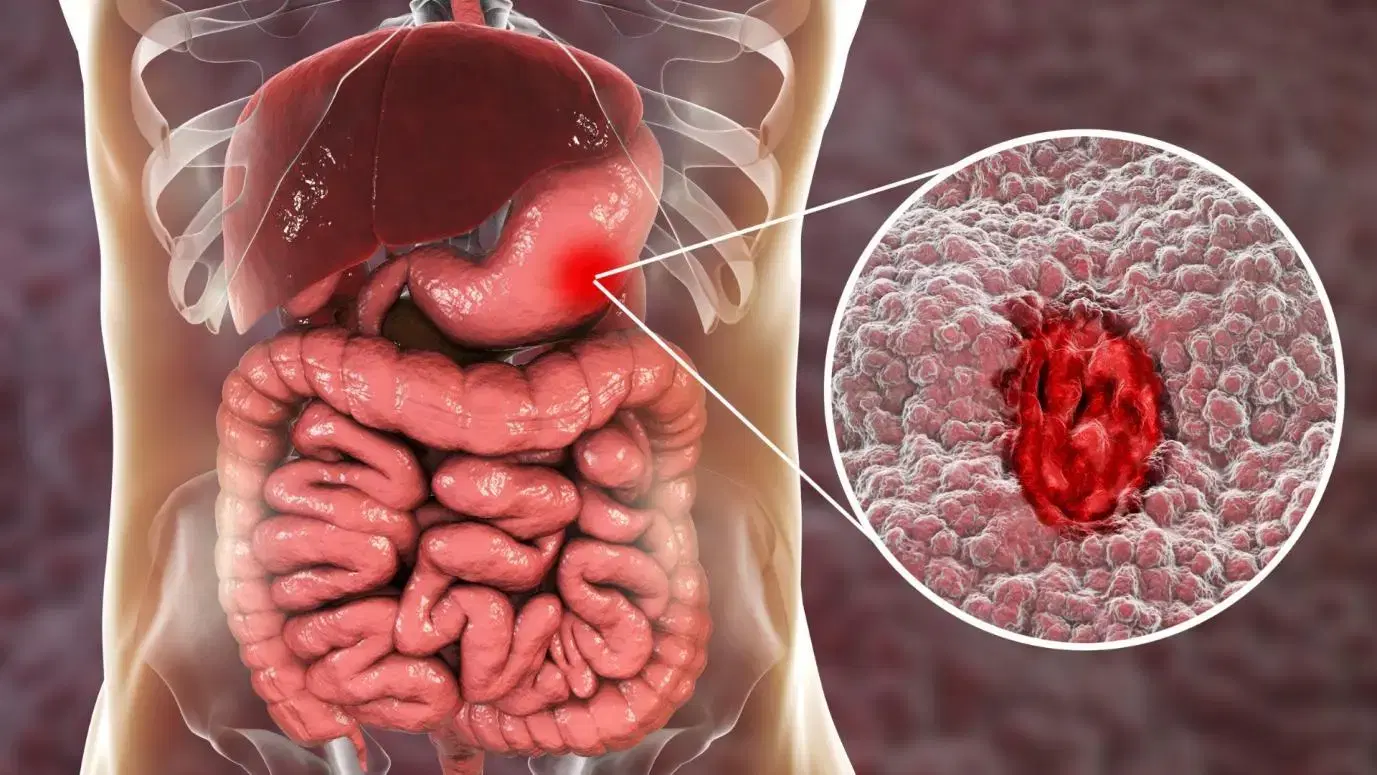
Gastrointestinal bleeding refers to bleeding anywhere in the digestive tract, from the food pipe and stomach to the small intestine, colon, or rectum.The bleeding may be obvious or hidden.Some people notice blood in vomit or stools, while others d...
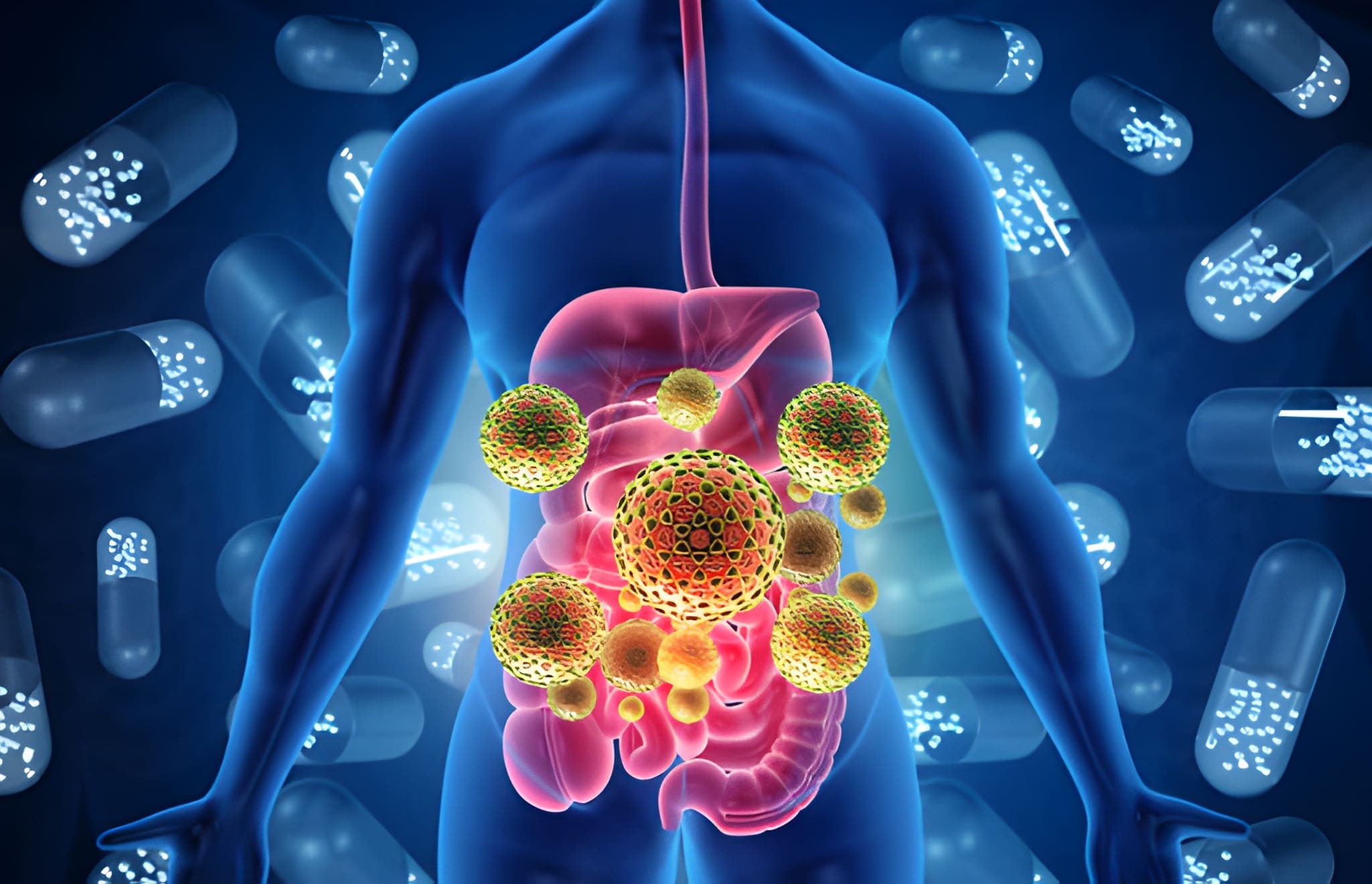
The intestines play an important role in digestion, nutrient absorption, and elimination of waste. A wide range of conditions can affect the small and large intestines, from temporary infections to chronic inflammatory and structural disorders.
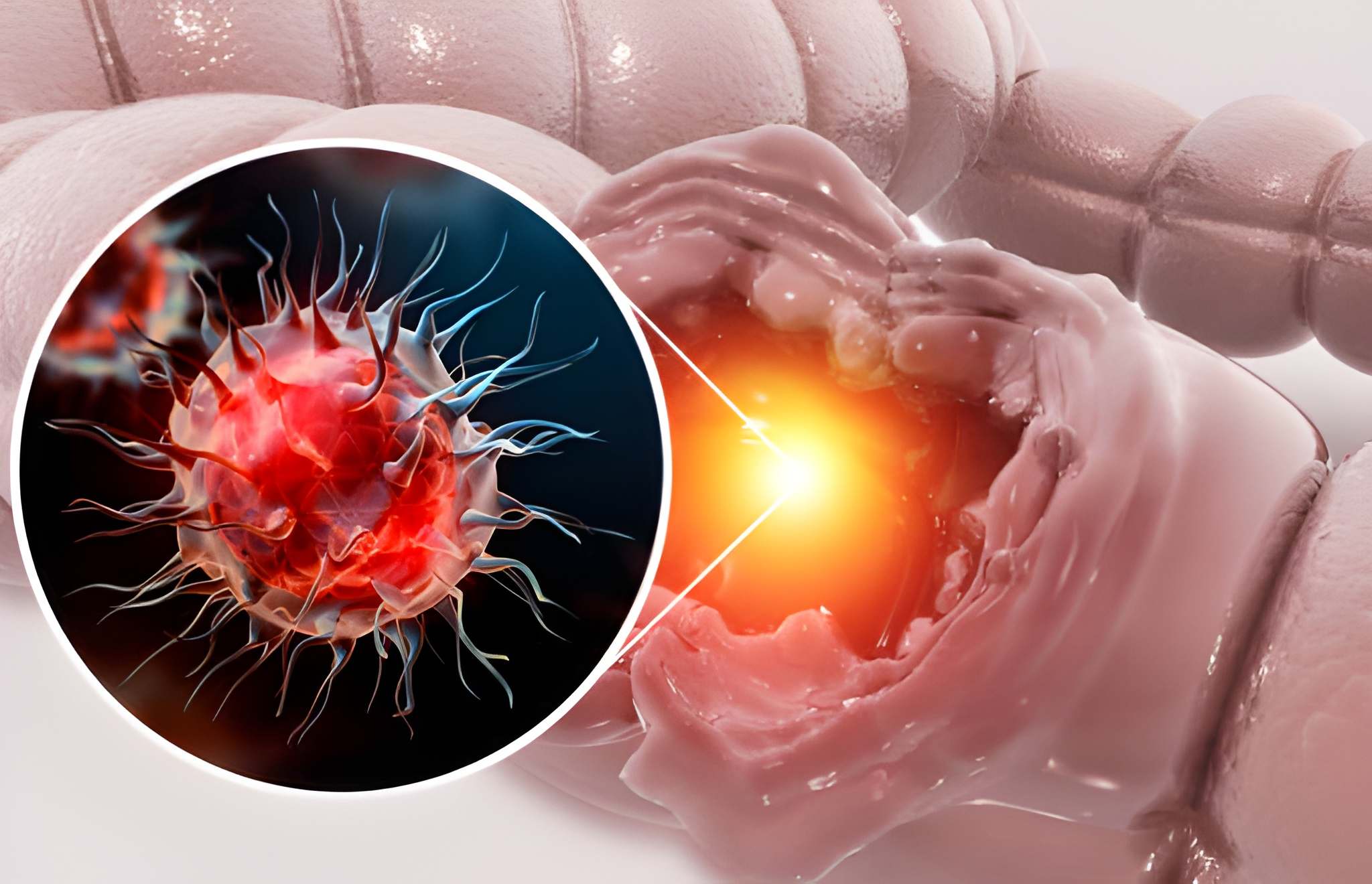
Gastrointestinal (GI) cancers are cancers that develop in the digestive system. They can affect different organs, including the food pipe (oesophagus), stomach, liver, gallbladder, bile ducts, pancreas, small intestine, colon, rectum, and anus. ...
A liver transplant is a major surgical procedure in which a diseased or severely damaged liver is replaced with a healthy liver from a suitable donor. It may be considered when the liver can no longer perform its functions properly, and other trea...
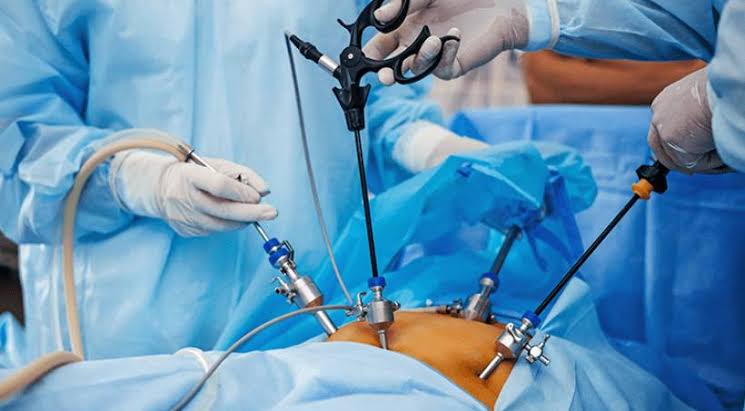
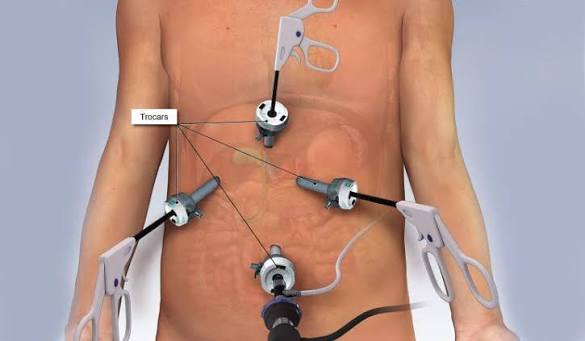
Gastrointestinal surgery involves operations performed on organs of the digestive system. Depending on the condition, surgery may involve the oesophagus, stomach, small intestine, colon, rectum, gallbladder, bile ducts, pancreas, or other parts of...
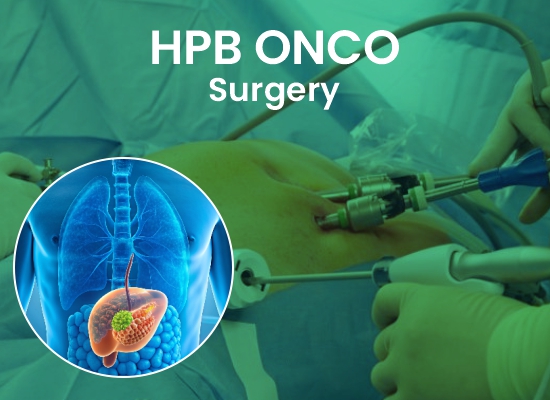
HPB surgery refers to surgery involving the Hepato-Pancreato-Biliary system, which includes the liver, pancreas, gallbladder, and bile ducts.These organs are closely connected, and diseases affecting one part of the system can sometimes involve an...
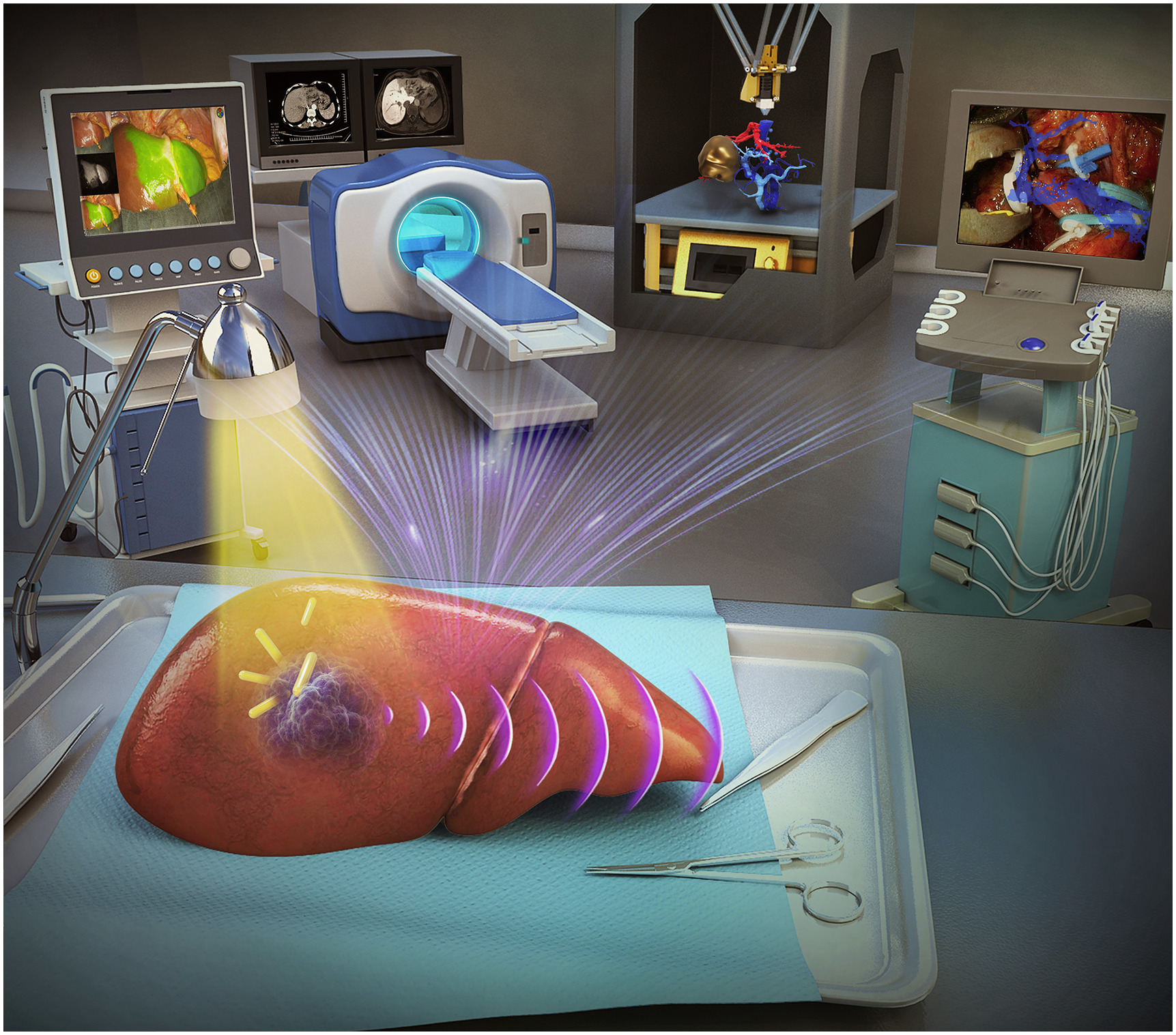
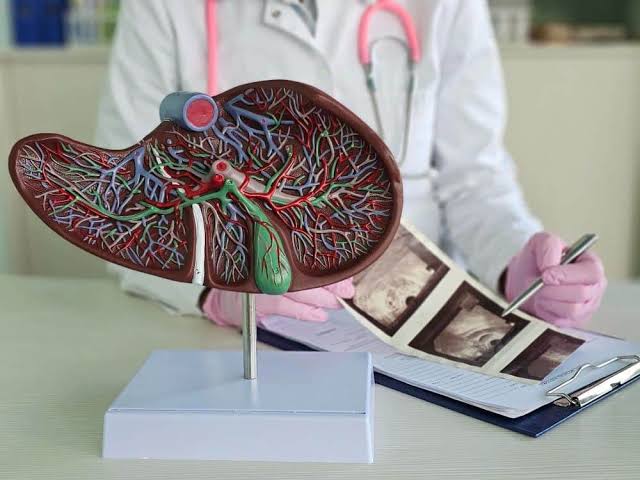
Liver surgery involves removing or treating a diseased portion of the liver while preserving enough healthy liver tissue to maintain normal liver function.Surgery may be recommended for selected liver tumours, cysts, injuries, and other liver cond...
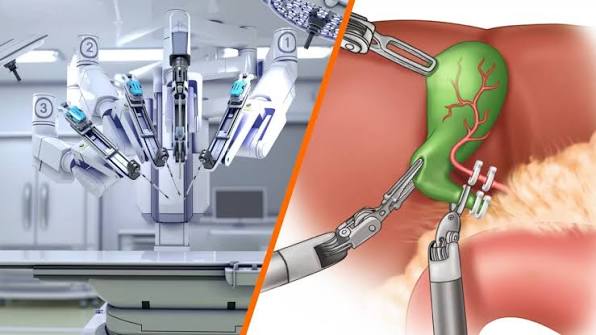
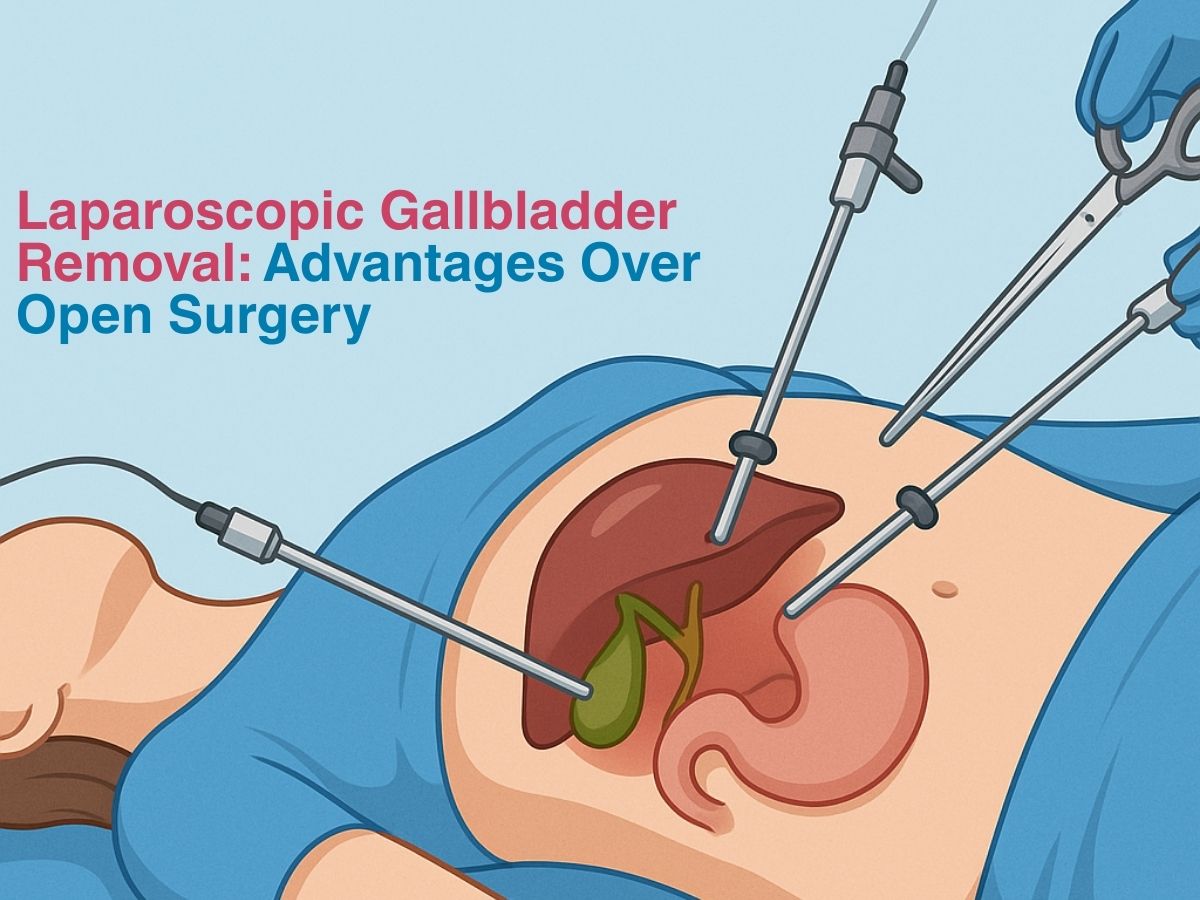
Gallbladder surgery, most commonly called cholecystectomy, involves removing the gallbladder. It is one of the common surgical procedures used to treat symptomatic gallstones and other gallbladder problems.The gallbladder stores bile produced by t...
The bile ducts carry bile from the liver and gallbladder to the intestine. A blockage, narrowing, injury, stone, or tumour can interfere with the normal flow of bile and may lead to jaundice, infection, or liver damage. Bile duct surgery aims to ...
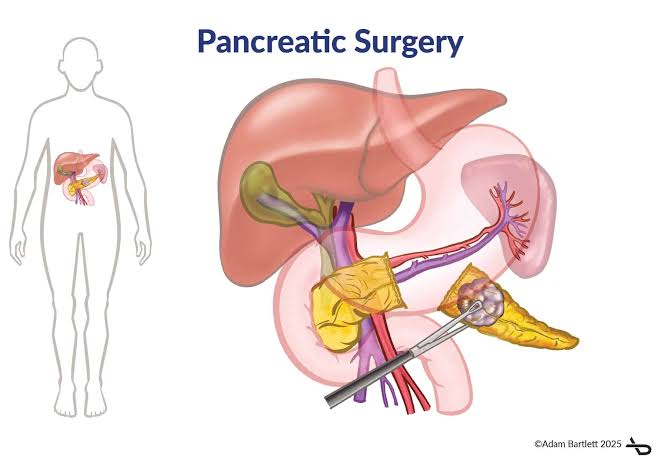
Pancreatic surgery is performed to treat selected tumours, cysts, complications of pancreatitis, and other diseases affecting the pancreas.The type of operation depends largely on the location of the disease.
GI cancer surgery involves removing cancerous tissue from the digestive system. Depending on where the cancer develops, surgery may involve the oesophagus, stomach, small intestine, colon, rectum, liver, pancreas, gallbladder, or bile ducts.
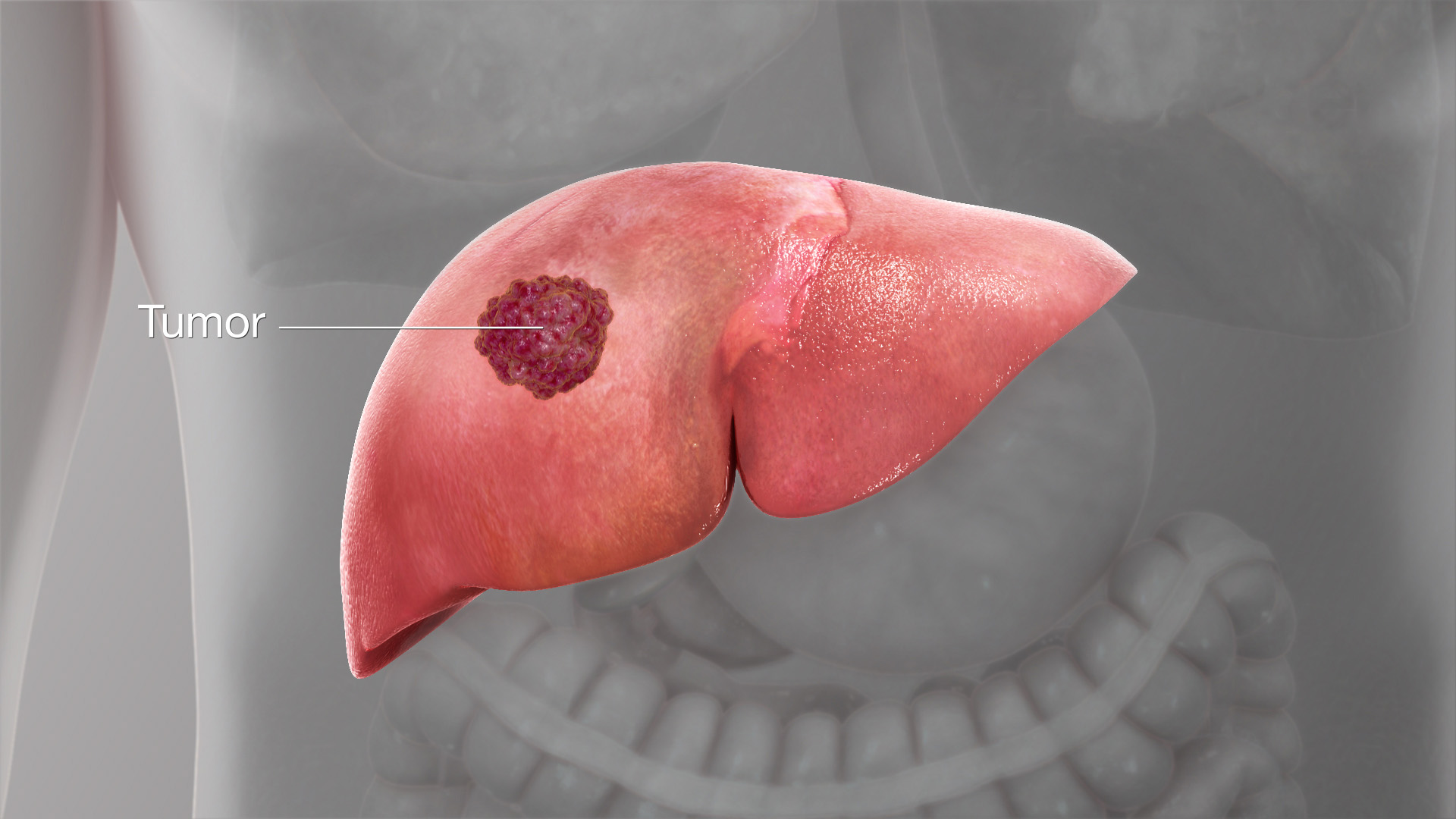
Liver tumours can be benign or cancerous. Some tumours are discovered during scans performed for unrelated reasons, while others cause symptoms such as abdominal discomfort, weight loss, or jaundice.Surgery may be an option for selected liver tumo...
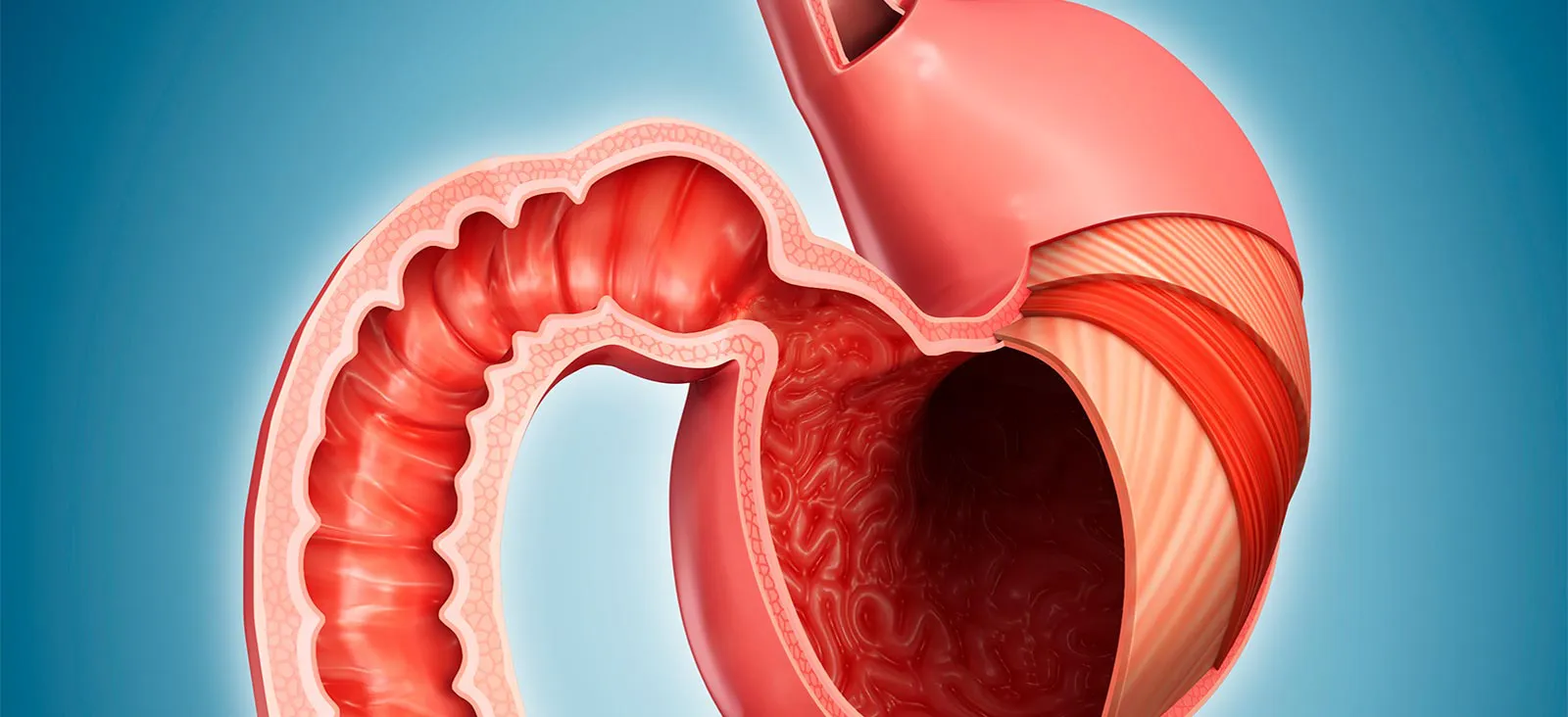
Stomach and intestinal surgery is performed for a range of conditions affecting the digestive tract. Some procedures are planned in advance, while others may be needed urgently when there is a blockage, perforation, severe bleeding, or other serio...
Gallstones are hardened deposits that develop inside the gallbladder. Many people have gallstones without symptoms, but stones that cause repeated pain or complications may require treatment.Laparoscopic cholecystectomy is a commonly performed pro...
Gallbladder cancer is a relatively uncommon cancer that develops in the gallbladder. It may sometimes be discovered unexpectedly after gallbladder removal for presumed gallstone disease, while in other cases it is diagnosed before surgery.
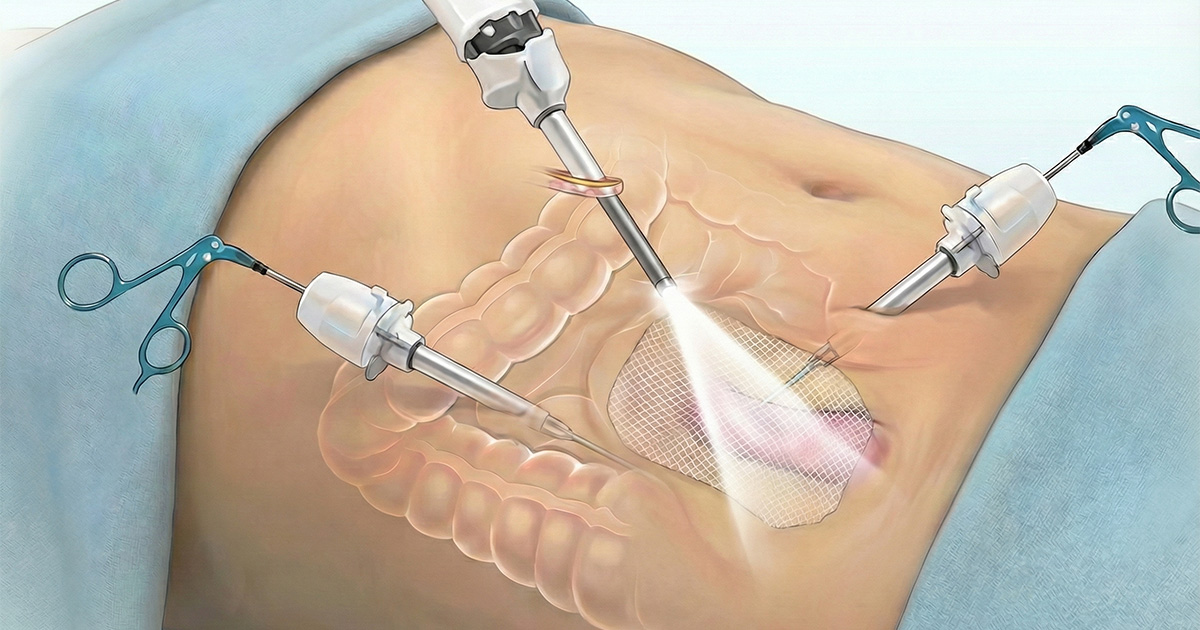
A hernia occurs when an internal organ or tissue pushes through a weak area in the surrounding muscle or connective tissue. Hernias commonly occur in the groin, abdominal wall, or around previous surgical sites.