Gastrointestinal surgery involves operations performed on
organs of the digestive system. Depending on the condition, surgery may involve
the oesophagus, stomach, small intestine, colon, rectum, gallbladder, bile
ducts, pancreas, or other parts of the digestive tract.
Surgery may be required for conditions that cannot be
adequately treated with medicines or endoscopic procedures.
GI surgery may be used to treat:
●
Gallstones and
gallbladder disease
●
Hernias
●
Intestinal obstruction
●
Bowel disorders
●
Gastrointestinal
bleeding
●
GI cancers
●
Pancreatic diseases
●
Liver and bile duct
conditions
●
Perforation of the
digestive tract
●
Certain benign tumours
Depending on the condition, surgery may be performed
through:
●
Open surgery
●
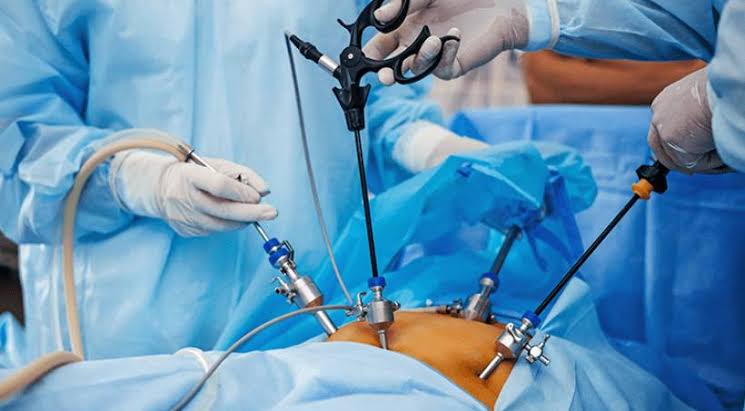
Laparoscopic surgery
●
Other minimally
invasive techniques
The choice depends on the disease, its location, previous
surgeries, and the patient's overall health.
Surgery may be considered when symptoms are persistent,
complications develop, a blockage or perforation occurs, or a tumour needs to
be removed.
For cancer, surgery may be part of the treatment plan along
with chemotherapy, radiation therapy, targeted treatment, or other therapies.
Before surgery, the surgeon reviews your symptoms, medical
history, scans, blood tests, and other relevant reports. You will also be
advised about the procedure, expected recovery, possible risks, and follow-up.
The goal is to treat the underlying problem while preserving
as much normal digestive function as possible.