Gallstones are hardened deposits that develop inside the gallbladder. Many people have gallstones without symptoms, but stones that cause repeated pain or complications may require treatment.Laparoscopic cholecystectomy is a commonly performed procedure to remove the gallbladder in patients with symptomatic gallstones.
When Is Laparoscopic Gallstone Surgery Recommended?
Surgery may be recommended when gallstones cause:
●
Repeated episodes of abdominal pain
●
Acute or chronic cholecystitis
●
Gallstone-related complications
●
Gallstone pancreatitis
●
Bile duct obstruction
●
Recurrent gallbladder inflammation
Typical symptoms include:
●
Pain in the upper-right or upper-middle abdomen
●
Pain after meals
●
Nausea and vomiting
●
Bloating
●
Indigestion
Jaundice, fever, chills, or severe persistent pain may
indicate a complication and require prompt medical assessment.
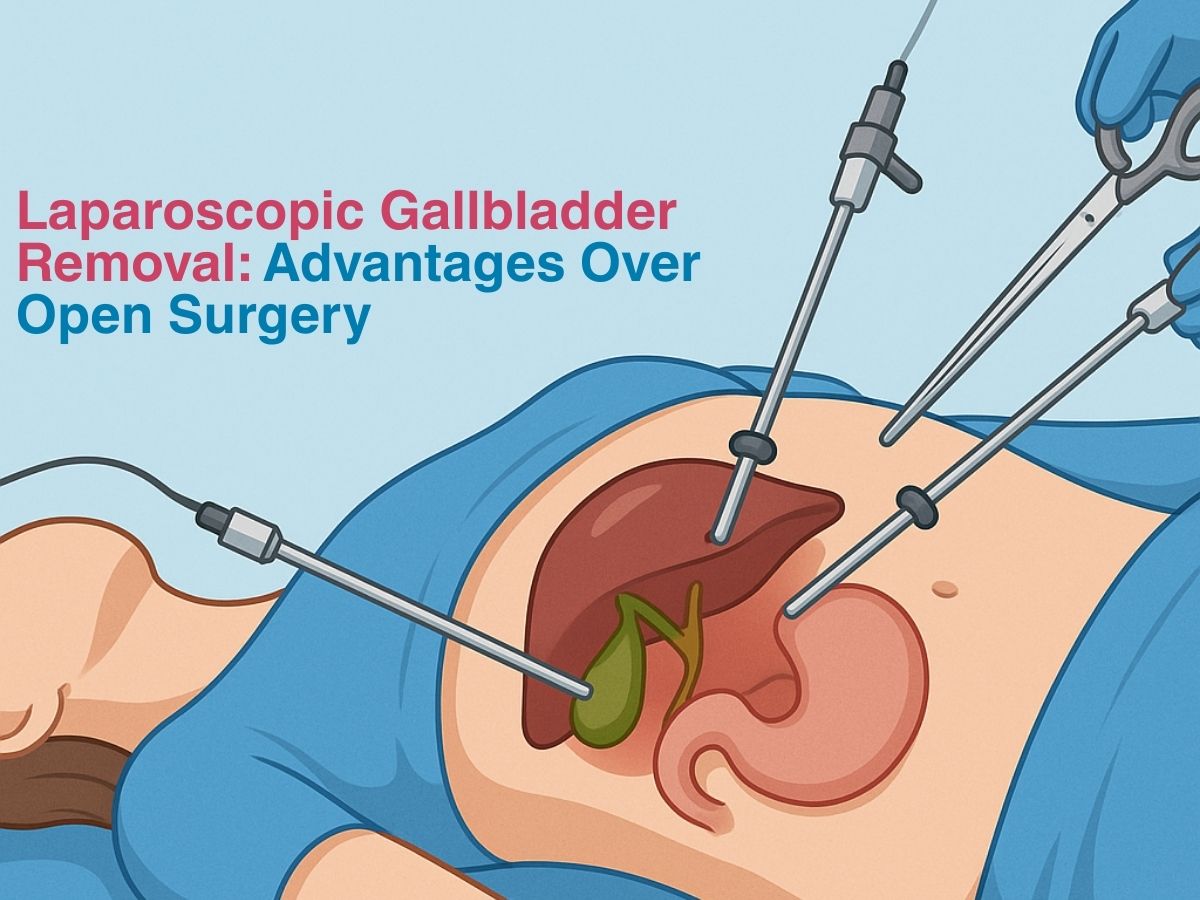
Laparoscopic gallbladder removal is performed through
several small abdominal incisions. A camera and specialised surgical
instruments are inserted through these openings, allowing the surgeon to
identify and remove the gallbladder.
Compared with traditional open surgery, laparoscopic surgery
generally involves:
●
Smaller incisions
●
Less postoperative discomfort
●
Shorter hospital stay in suitable patients
●
Faster return to routine activities
However, the laparoscopic approach is not suitable for every
patient. In some situations, conversion to open surgery may be necessary for
safety.
Most patients can gradually return to normal activities
after recovery, following their surgeon's advice. Dietary recommendations may
be provided during the initial recovery period.