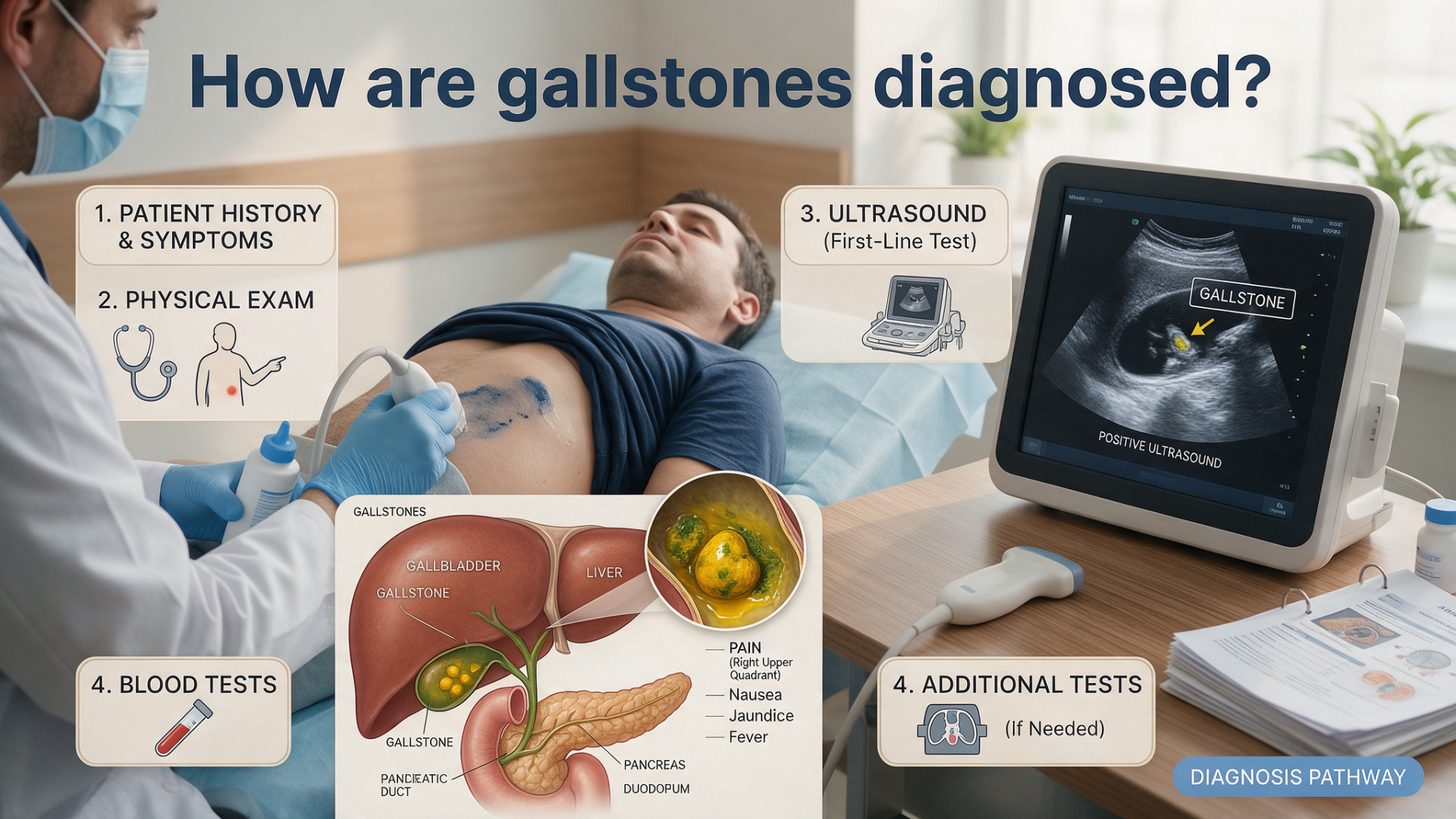
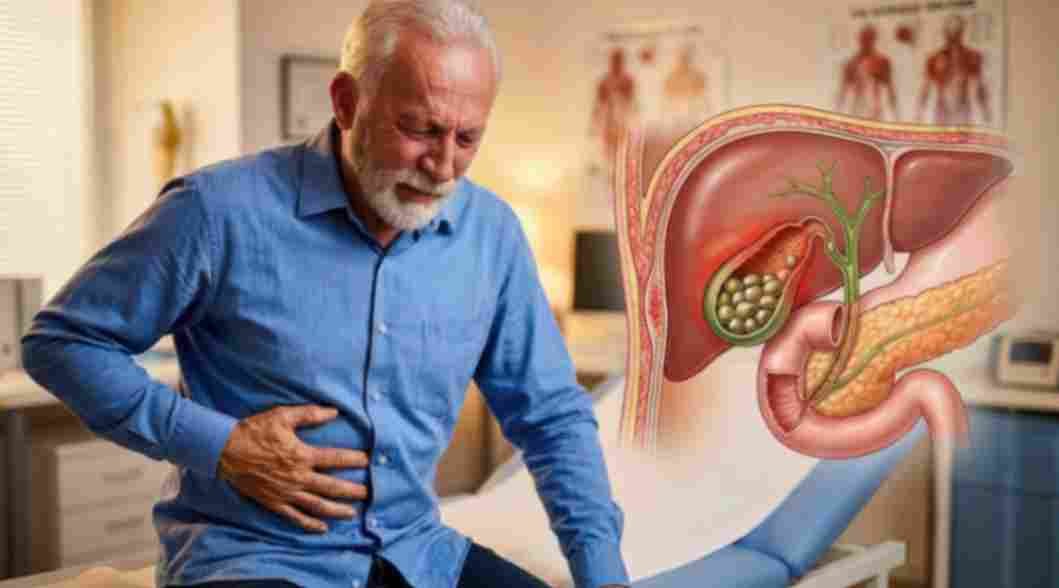
Gallstones are solid particles that form inside the gallbladder, usually from cholesterol or bile pigments. Many people have gallstones without experiencing any symptoms. These are known as silent gallstones and are often discovered incidentally during an ultrasound or other imaging test.
What Are Silent Gallstones?
Silent gallstones do not cause typical symptoms such as abdominal pain, nausea, or vomiting. In most people, incidentally detected gallstones that are completely asymptomatic do not require immediate treatment.
Instead, doctors may recommend observation and advise patients to seek medical attention if symptoms develop.
Can Silent Gallstones Cause Problems?
While many silent gallstones remain symptom-free, a stone can sometimes move into the bile ducts and cause complications. Warning symptoms may include:
Sudden or persistent pain in the upper-right or upper-middle abdomen
- Pain after fatty meals
- Nausea or vomiting
- Fever or chills
- Yellowing of the eyes or skin (jaundice)
- Dark urine or pale stools
Possible complications include acute cholecystitis (gallbladder inflammation), bile duct obstruction, cholangitis, and gallstone pancreatitis.
When Might Treatment Be Needed?
Treatment is usually considered when gallstones become symptomatic or cause complications. Laparoscopic cholecystectomy, commonly known as keyhole surgery to remove the gallbladder, is a standard treatment for symptomatic gallstones.
In some specific situations, surgery may also be considered even when symptoms are absent, depending on factors such as the patient's overall health, gallbladder findings, and individual risk of complications.
Do All Silent Gallstones Need Surgery?
No. Finding gallstones on an ultrasound does not automatically mean surgery is required. The decision depends on whether the stones are causing symptoms, whether complications are present, and the patient's individual clinical situation.
If silent gallstones are discovered during a scan, discuss the findings with a gastroenterologist or surgeon. Appropriate evaluation can help determine whether observation or treatment is the right approach.