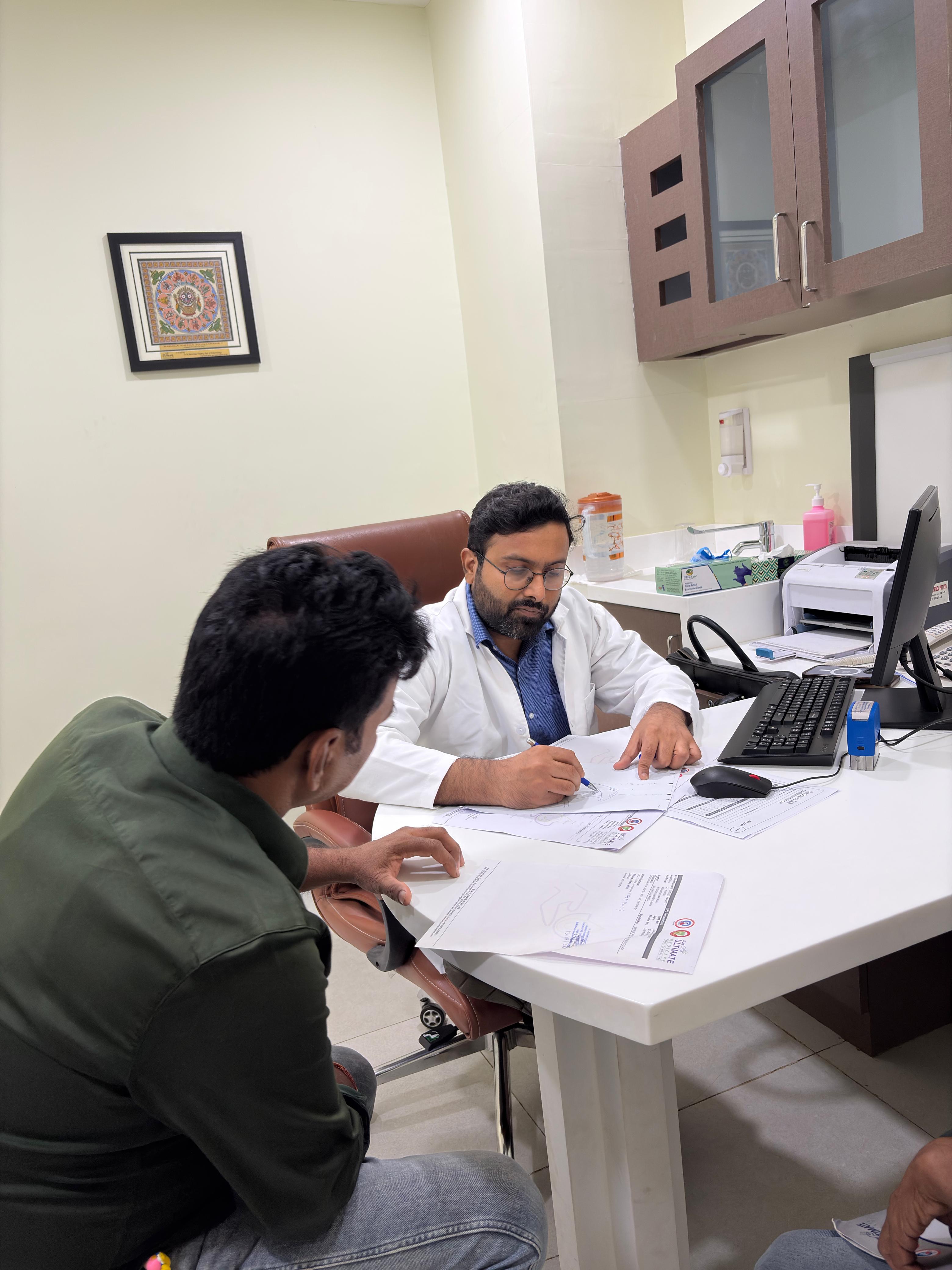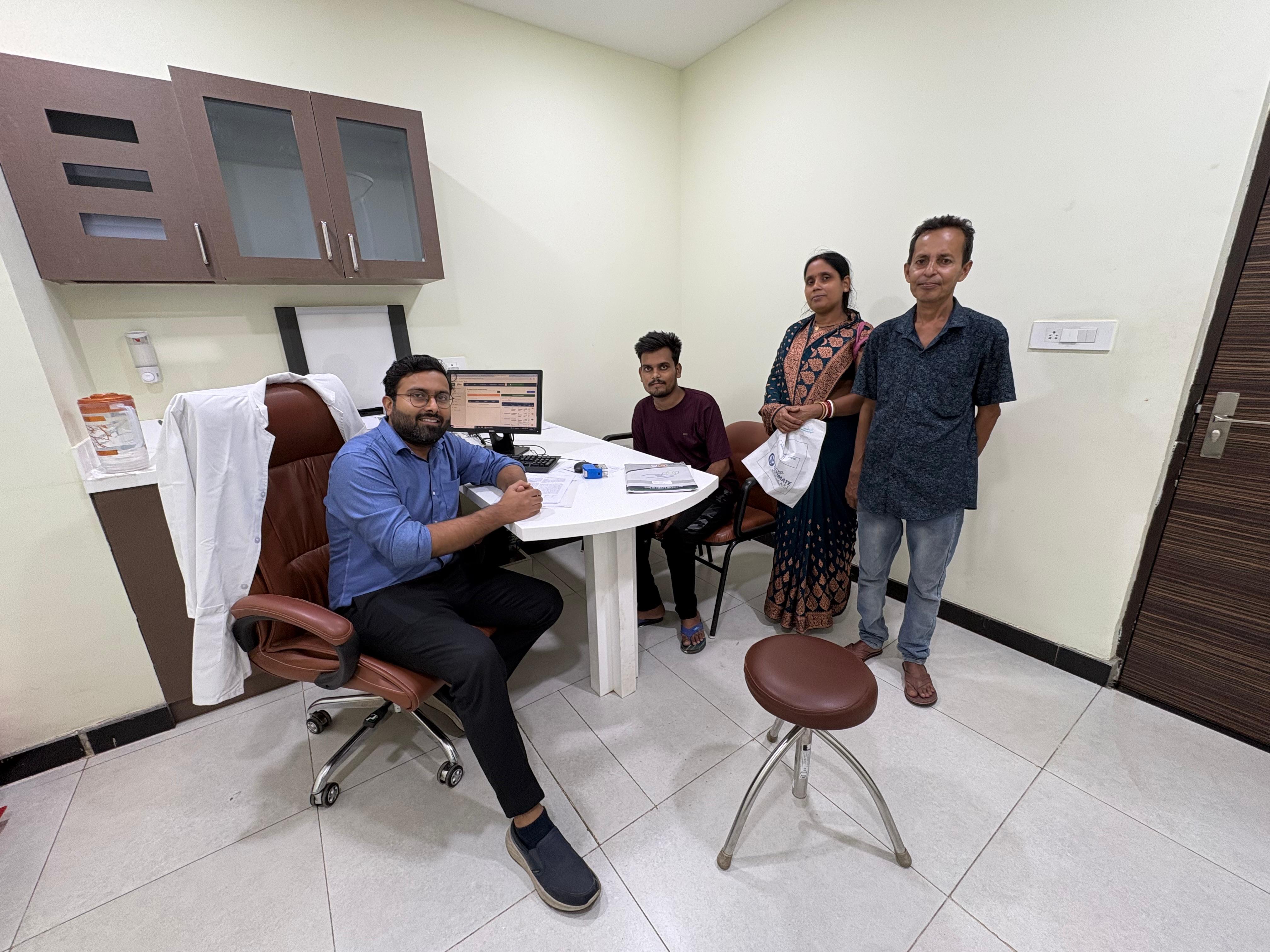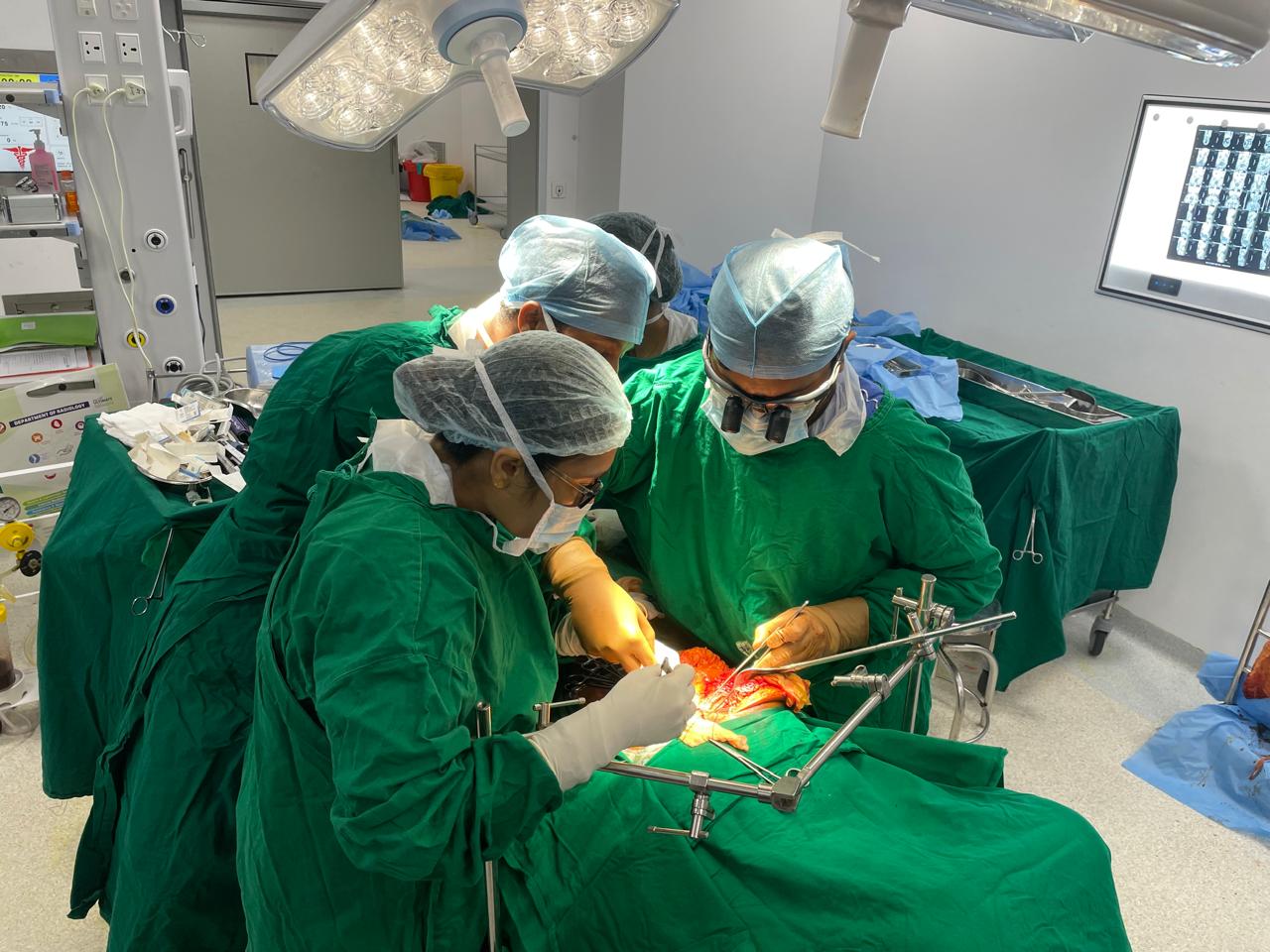

Dr. Ashirbad Panda is a renowned Surgical Gastroenterologist and Liver Transplant Surgeon committed to delivering advanced digestive and liver healthcare in Eastern India. He specializes in the diagnosis and treatment of complex diseases and cancers of stomach , oesophagus , gall bladder , pancreas ,liver and colorectal system.He has expertise in the field of liver transplant for cirrhosis and liver tumours.He offers laparoscopic abdominal wall reconstruction surgery (tacker free) for ventral and inguinal hernia
Highly qualified professionals dedicated to delivering personalized medical excellence.
Adhering to strict international healthcare standards and patient safety protocols.
Round-the-clock emergency assistance and continuous medical monitoring.
Compassionate, patient-centric environments tailored for fast recovery.

Advanced medical solutions and surgical excellence tailored safely for you and your family.
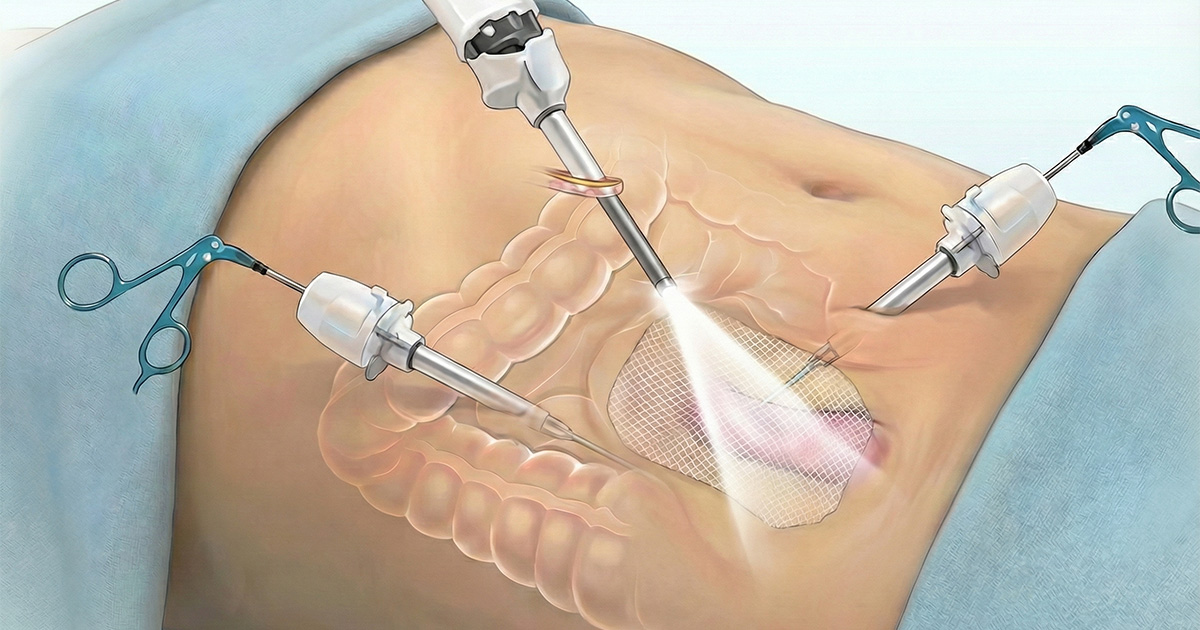
A hernia occurs when an internal organ or tissue pushes through a weak area in the surrounding muscle or connective tissue. Hernias commonly occur in the groin, abdominal wall, or around previous surgical sites. Dedicated clinical excellence, state-of-the-art medical infrastructure, and comprehensive therapeutic support for optimal health outcomes.
Gallbladder cancer is a relatively uncommon cancer that develops in the gallbladder. It may sometimes be discovered unexpectedly after gallbladder removal for presumed gallstone disease, while in other cases it is diagnosed before surgery. Dedicated clinical excellence, state-of-the-art medical infrastructure, and comprehensive therapeutic support for optimal health outcomes.
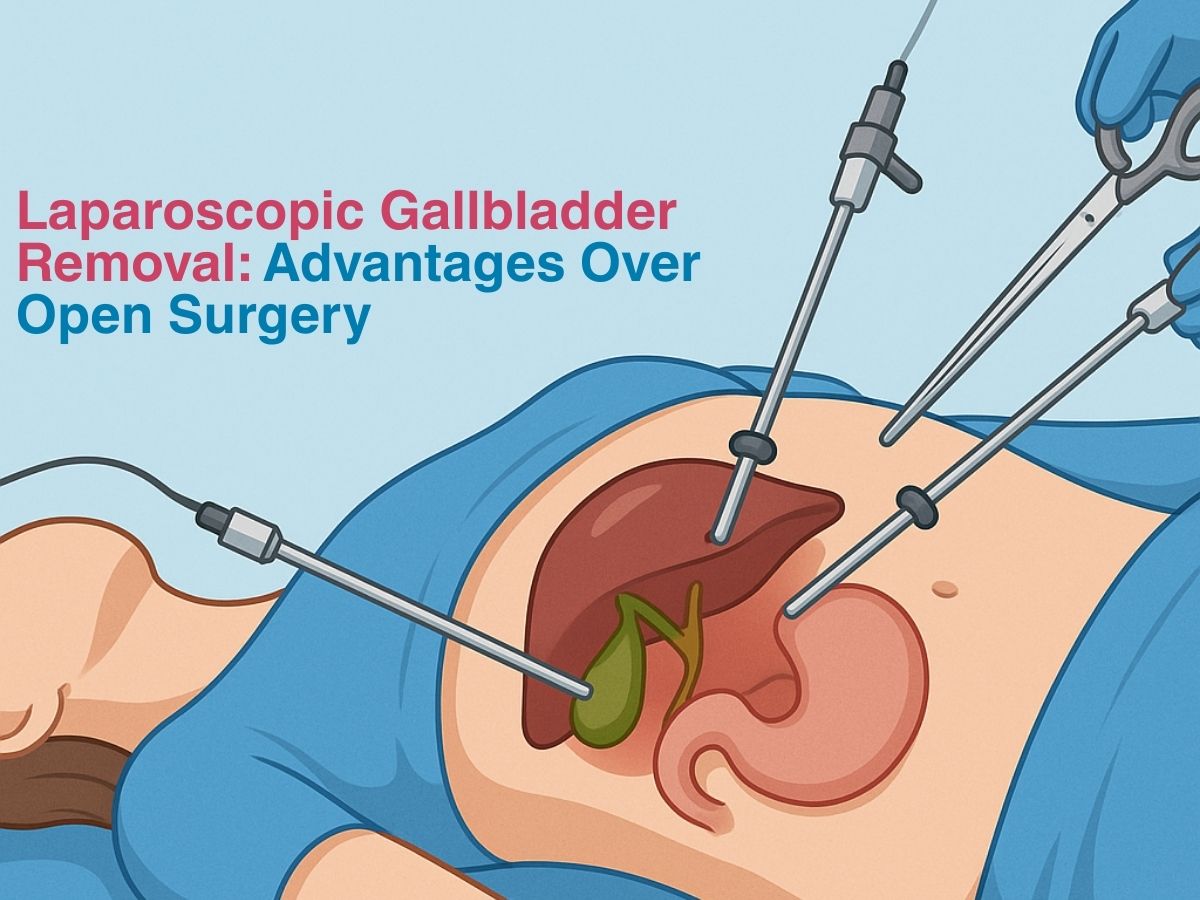
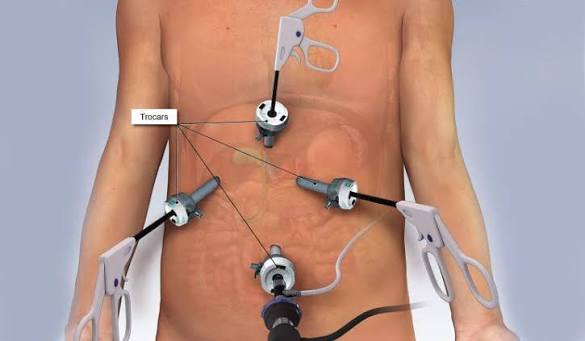
Gallstones are hardened deposits that develop inside the gallbladder. Many people have gallstones without symptoms, but stones that cause repeated pain or complications may require treatment.Laparoscopic cholecystectomy is a commonly performed procedure to remove the gallbladder in patients with symptomatic gallstones. Dedicated clinical excellence, state-of-the-art medical infrastructure, and comprehensive therapeutic support for optimal health outcomes.
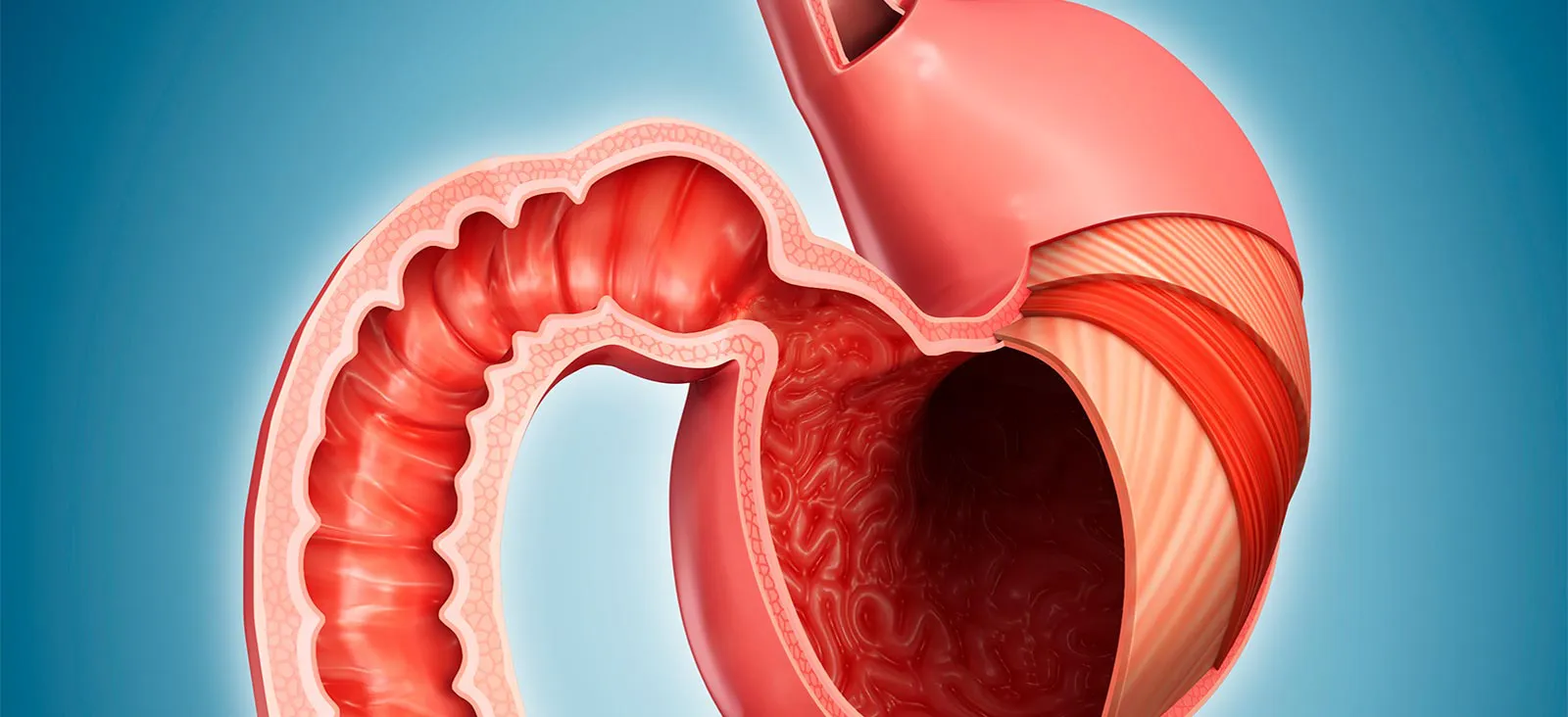
Stomach and intestinal surgery is performed for a range of conditions affecting the digestive tract. Some procedures are planned in advance, while others may be needed urgently when there is a blockage, perforation, severe bleeding, or other serious complication. Dedicated clinical excellence, state-of-the-art medical infrastructure, and comprehensive therapeutic support for optimal health outcomes.
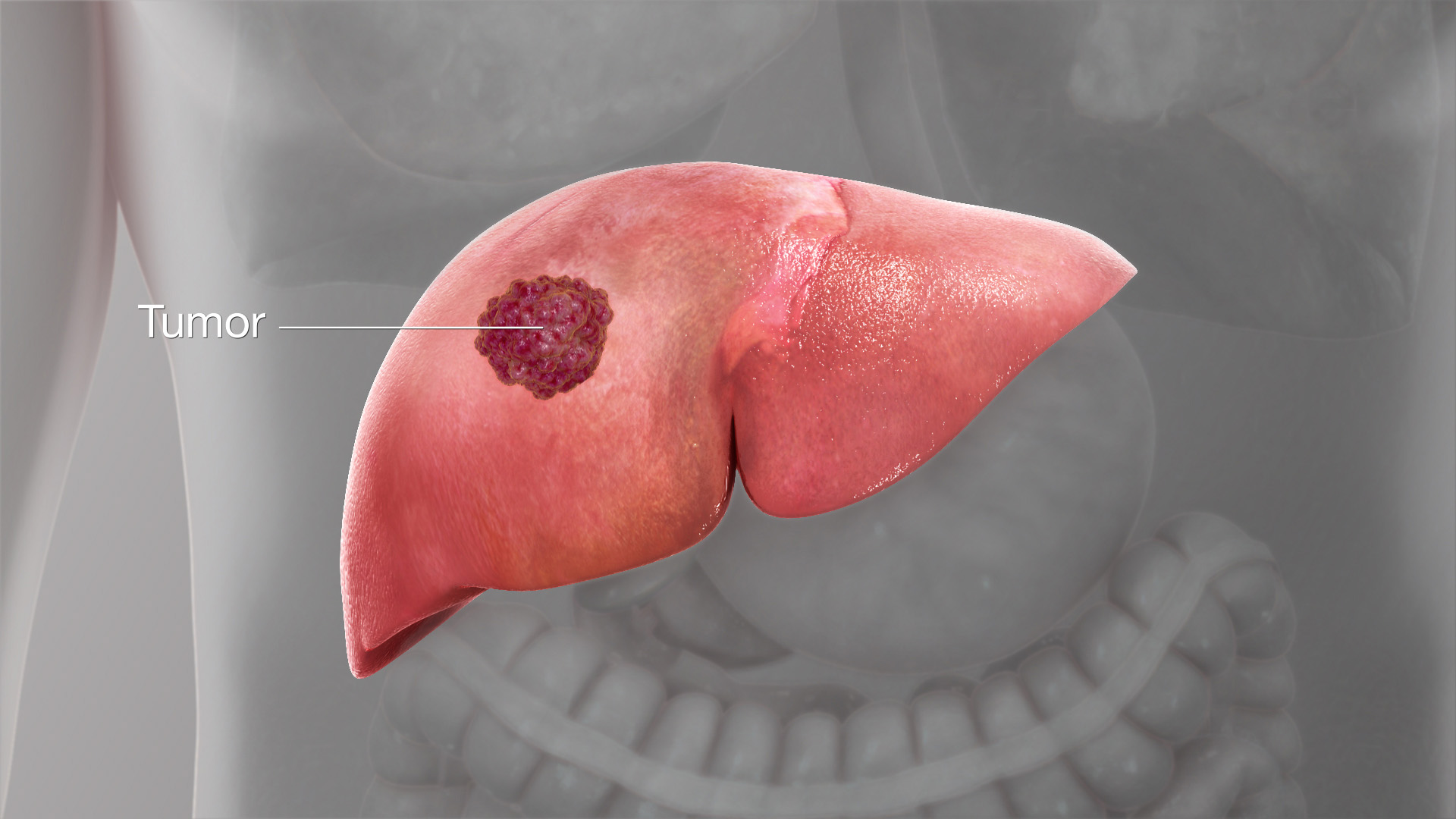
Liver tumours can be benign or cancerous. Some tumours are discovered during scans performed for unrelated reasons, while others cause symptoms such as abdominal discomfort, weight loss, or jaundice.Surgery may be an option for selected liver tumours when the tumour can be safely removed while leaving enough healthy liver tissue. Dedicated clinical excellence, state-of-the-art medical infrastructure, and comprehensive therapeutic support for optimal health outcomes.
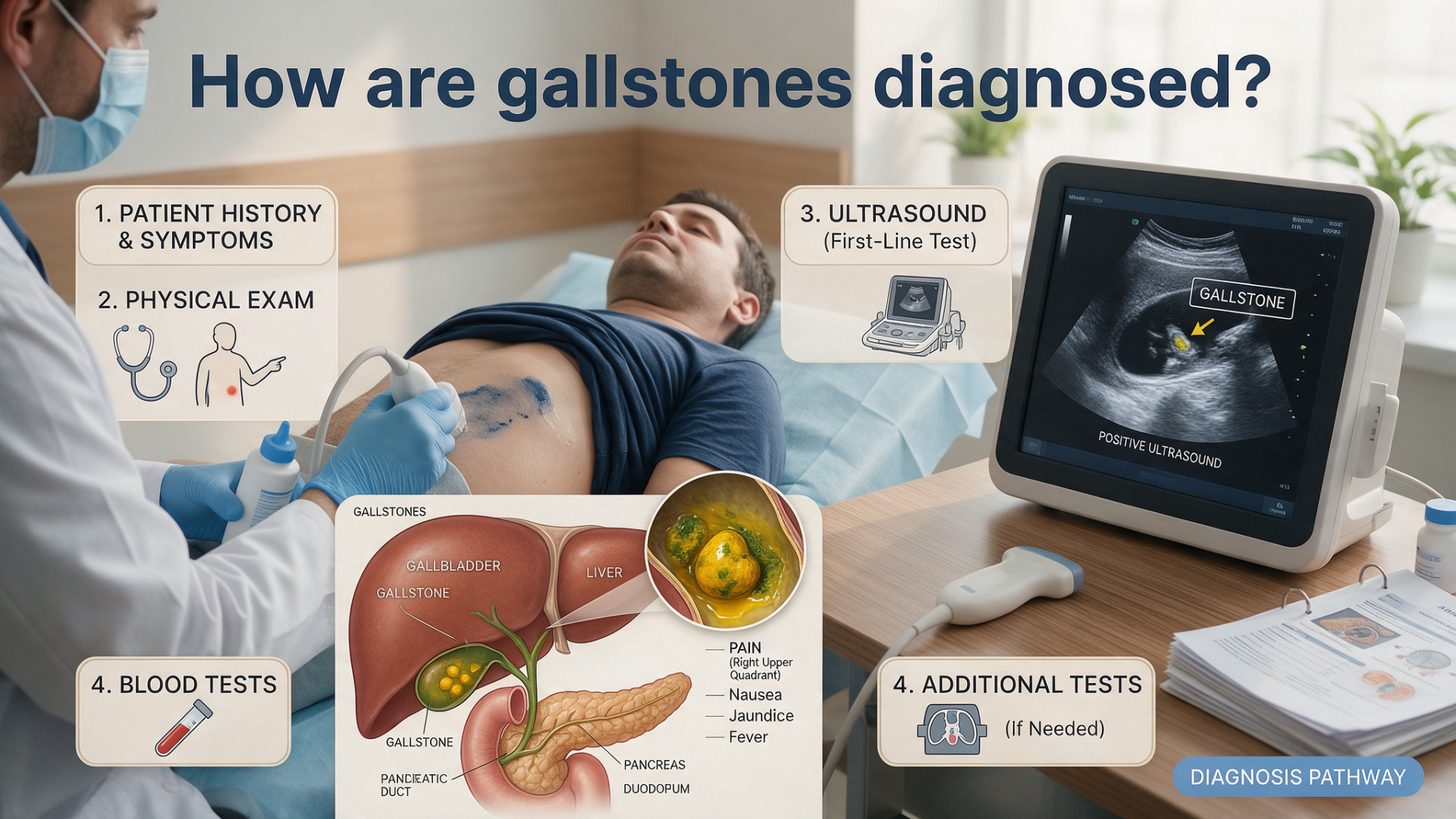
Gallstones may be discovered during an examination for another health problem or when a person develops symptoms such as upper abdominal pain, nausea, or vomiting. Accurate diagnosis helps determine whether the stones are causing symptoms and whether treatment is required.Medical History and Physical ExaminationDiagnosis usually begins with a detailed discussion about symptoms, eating patterns, previous medical conditions, and family history. The doctor may ask about the location, duration, and intensity of abdominal pain. During a physical examination, tenderness in the upper-right abdomen may provide additional clues.Abdominal UltrasoundUltrasound is one of the most commonly used tests for detecting gallstones. It uses sound waves to create images of the gallbladder and can identify stones, gallbladder wall thickening, or signs of inflammation. It is non-invasive and does not involve radiation.Blood TestsBlood tests do not directly detect gallstones but can help identify complications. Tests may assess liver function and look for signs of infection or inflammation. Abnormal liver enzymes or bilirubin levels may suggest that a stone has affected the bile ducts.Additional Imaging TestsIf ultrasound results are unclear or a bile duct stone is suspected, the doctor may recommend additional imaging.MRCP (Magnetic Resonance Cholangiopancreatography) uses MRI technology to provide detailed images of the bile ducts, gallbladder, and surrounding structures.CT scans may sometimes be used to assess complications or investigate other possible causes of abdominal pain, although not all gallstones are visible on CT.In selected situations, ERCP (Endoscopic Retrograde Cholangiopancreatography) may be performed when a stone is suspected in the common bile duct. Unlike routine imaging, ERCP can also allow the doctor to remove certain bile duct stones during the procedure.Why Early Diagnosis MattersNot every gallstone requires treatment. However, recurring pain or symptoms such as fever, jaundice, persistent vomiting, or severe abdominal pain require prompt medical evaluation. Proper diagnosis helps doctors determine whether monitoring, medication, or a procedure such as gallbladder removal is appropriate.
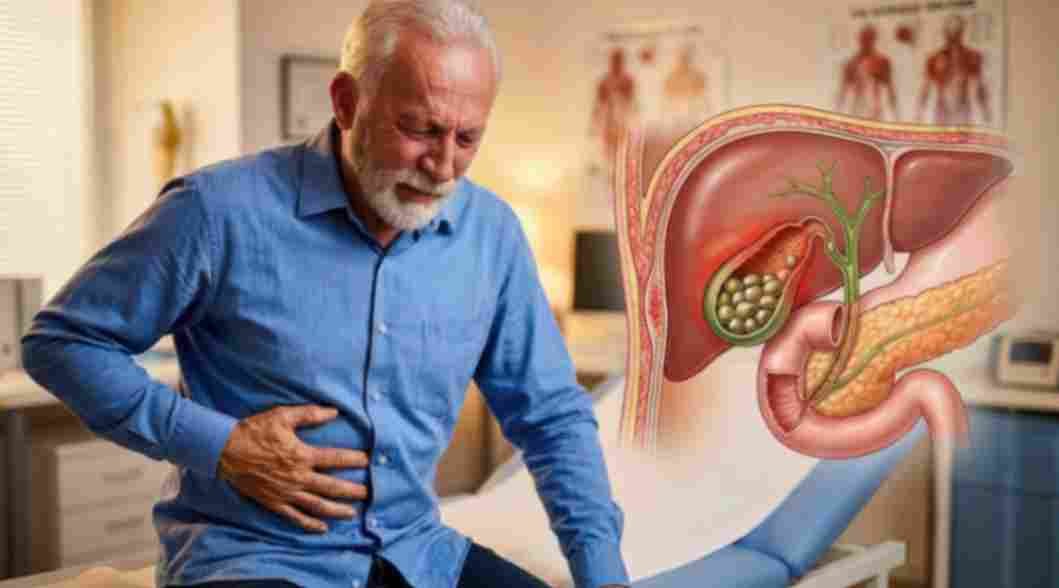
Gallstones are solid particles that form inside the gallbladder, usually from cholesterol or bile pigments. Many people have gallstones without experiencing any symptoms. These are known as silent gallstones and are often discovered incidentally during an ultrasound or other imaging test.What Are Silent Gallstones?Silent gallstones do not cause typical symptoms such as abdominal pain, nausea, or vomiting. In most people, incidentally detected gallstones that are completely asymptomatic do not require immediate treatment.Instead, doctors may recommend observation and advise patients to seek medical attention if symptoms develop.Can Silent Gallstones Cause Problems?While many silent gallstones remain symptom-free, a stone can sometimes move into the bile ducts and cause complications. Warning symptoms may include:Sudden or persistent pain in the upper-right or upper-middle abdomenPain after fatty mealsNausea or vomitingFever or chillsYellowing of the eyes or skin (jaundice)Dark urine or pale stoolsPossible complications include acute cholecystitis (gallbladder inflammation), bile duct obstruction, cholangitis, and gallstone pancreatitis.When Might Treatment Be Needed?Treatment is usually considered when gallstones become symptomatic or cause complications. Laparoscopic cholecystectomy, commonly known as keyhole surgery to remove the gallbladder, is a standard treatment for symptomatic gallstones.In some specific situations, surgery may also be considered even when symptoms are absent, depending on factors such as the patient's overall health, gallbladder findings, and individual risk of complications.Do All Silent Gallstones Need Surgery?No. Finding gallstones on an ultrasound does not automatically mean surgery is required. The decision depends on whether the stones are causing symptoms, whether complications are present, and the patient's individual clinical situation.If silent gallstones are discovered during a scan, discuss the findings with a gastroenterologist or surgeon. Appropriate evaluation can help determine whether observation or treatment is the right approach.
GI, HPB & Liver Transplant Surgeon
Bhubaneswar, Odisha, India
Mon - Sat: 10:00 AM - 7:00 PM